In modern architectural projects, acoustics are no longer treated as a secondary technical detail. They are a core component of spatial quality, functionality, and user experience. A space can be visually striking, but without proper acoustic design, it may fail to perform as intended.
This article explains architectural acoustics, outlines the full process from early design to final installation, and highlights how ACOUSTIEG applies architectural acoustics professionally across commercial projects in Saudi Arabia.

Architectural acoustics is the science and practice of controlling sound within built environments. It focuses on how sound behaves in relation to:
Space geometry
Surface materials
Occupancy and usage
Architectural form
Unlike basic soundproofing, architectural acoustics addresses both sound isolation and sound quality, ensuring spaces are comfortable, functional, and purpose-driven.
Every successful acoustic strategy starts with analysis, including:
This phase defines the technical foundation of the entire acoustic design.
During the design stage, acoustic specialists:
Well-designed architectural acoustics enhance the space without compromising visual identity.
Material selection is based on performance, durability, and design intent. Common solutions include:
Each material is chosen according to:
Even the best acoustic design depends on accurate execution. Installation includes:
Proper installation is critical to achieving the intended acoustic performance.
After installation, acoustic performance is verified through:
This step ensures the solution delivers measurable, real-world results.
Architectural acoustics play a vital role in many environments, including:
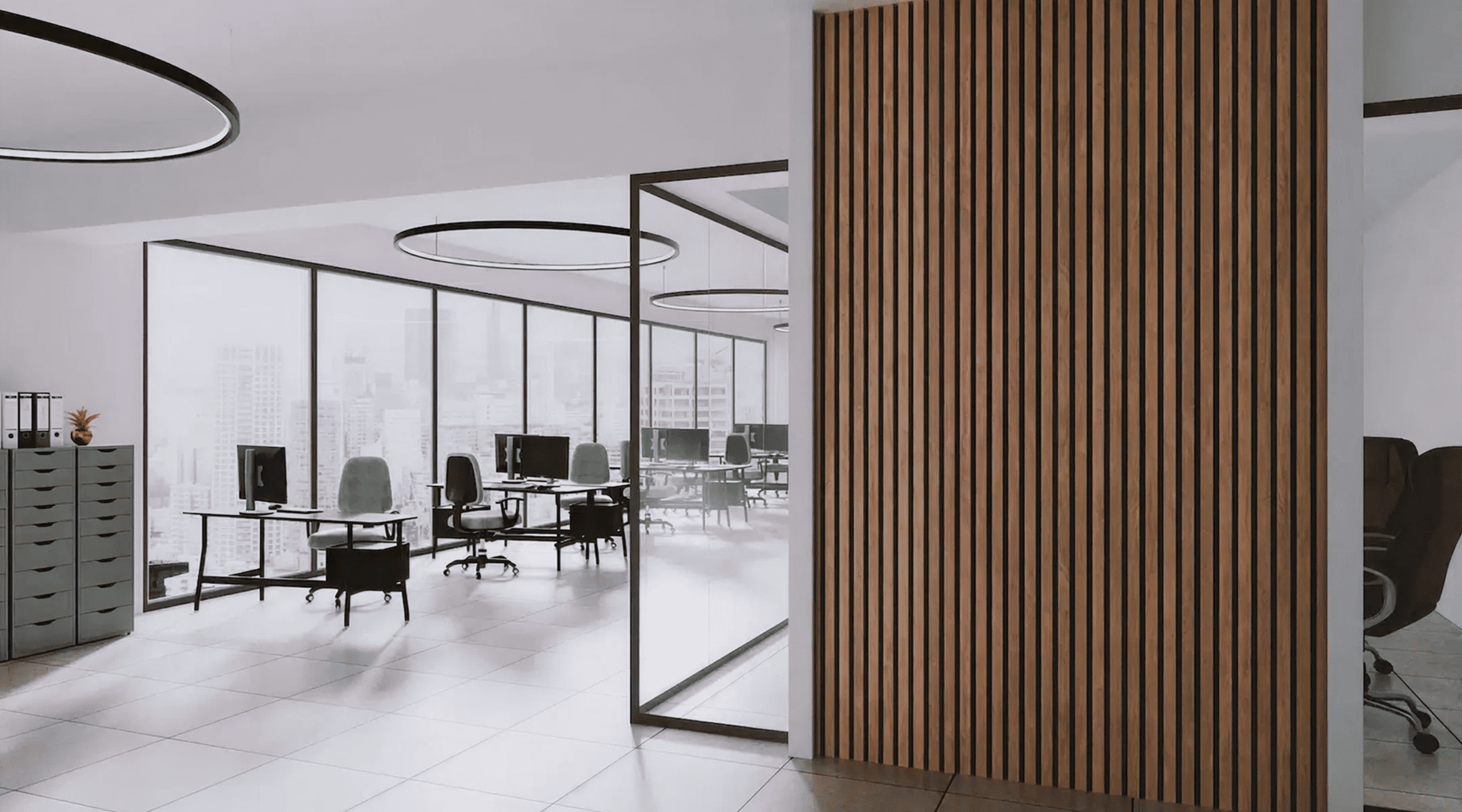
Corporate and administrative offices
Meeting and conference rooms
Theatres and auditoriums
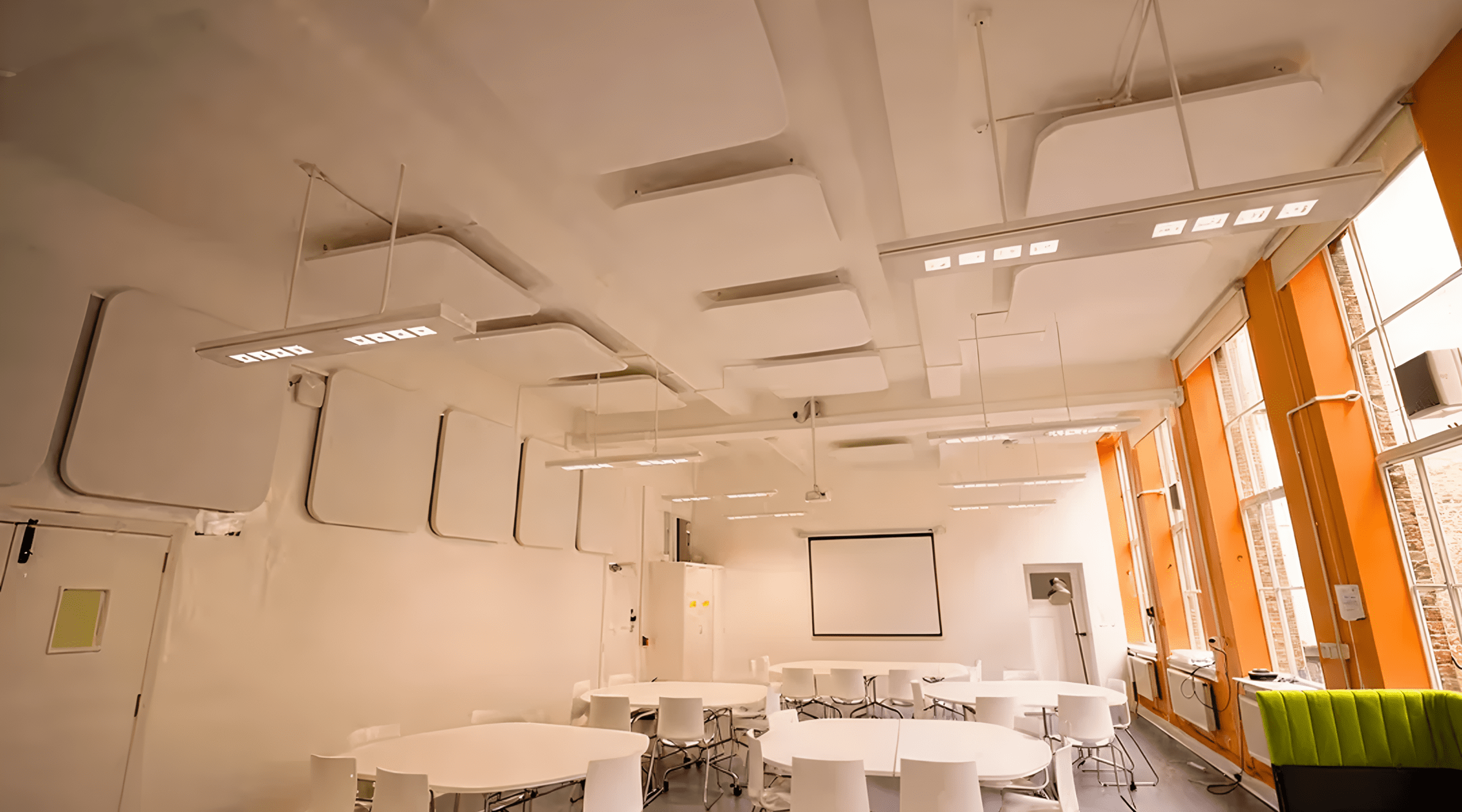
Educational facilities
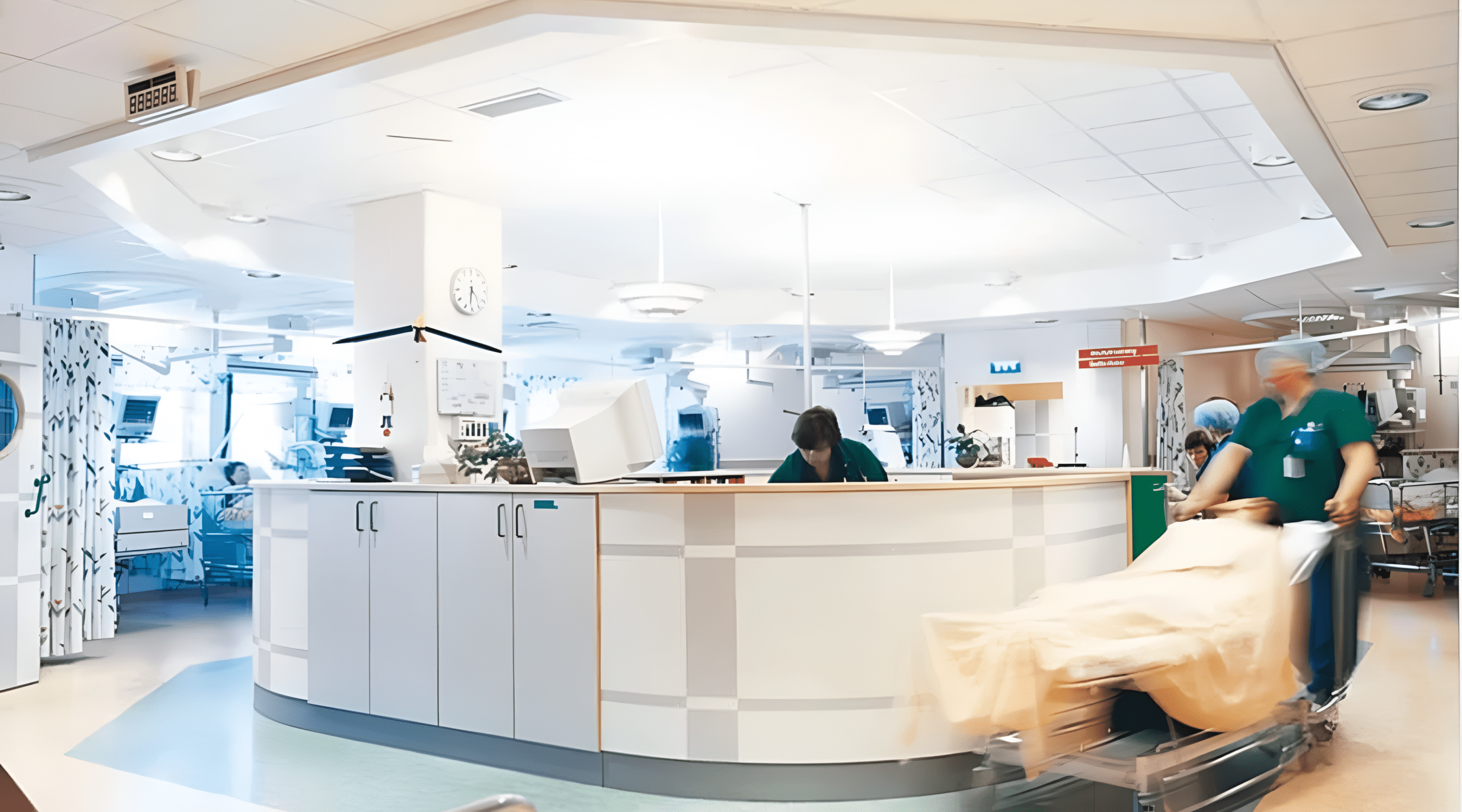
Healthcare environments
Hotels, retail, and commercial spaces
Verification typically includes:
Each space has unique acoustic requirements that must be addressed through tailored design.
ACOUSTIEG approaches architectural acoustics as an integrated design discipline, combining engineering precision with architectural sensitivity. Key strengths include:
Detailed acoustic analysis from early design stages
Solutions aligned with architectural vision
Carefully selected, performance-driven materials
High-quality execution and installation
Post-installation testing and validation
ACOUSTIEG treats acoustics as a fundamental architectural element that shapes how spaces are experienced.
Architectural acoustics bridge the gap between visual design and functional performance. When addressed strategically from the earliest stages, they transform spaces into environments that are comfortable, efficient, and purpose-built.
With the expertise of ACOUSTIEG, acoustics become an integral part of architecture—designed, engineered, and executed to perform.
Access your dashboard, manage your projects, and explore our full services
Don’t have an account? Sign up