Building acoustics play a critical role in how modern buildings perform, feel, and are experienced by their users. Beyond aesthetics and structural efficiency, acoustic performance directly affects comfort, communication, productivity, and long-term operational quality. Poor acoustic planning often leads to user complaints, functional limitations, and costly corrective measures after completion.
This article explores building acoustics, the key standards that govern them, the most common challenges in real projects, and best practices for achieving reliable acoustic performance, with reference to the professional approach adopted by ACOUSTIEG.

Building acoustics is the application of acoustic engineering principles within built environments to control how sound:
Travels between spaces
Reflects and decays within rooms
Affects speech clarity and privacy
Impacts user comfort and functionality
It combines both soundproofing (sound isolation) and acoustic design (sound quality control) to create balanced, purpose-driven environments.
Professional acoustic performance is defined and verified using measurable engineering standards. The most important include:
RT60 measures how long sound persists in a space after the source stops.
RT60 targets vary depending on room function (offices, classrooms, auditoriums, etc.).
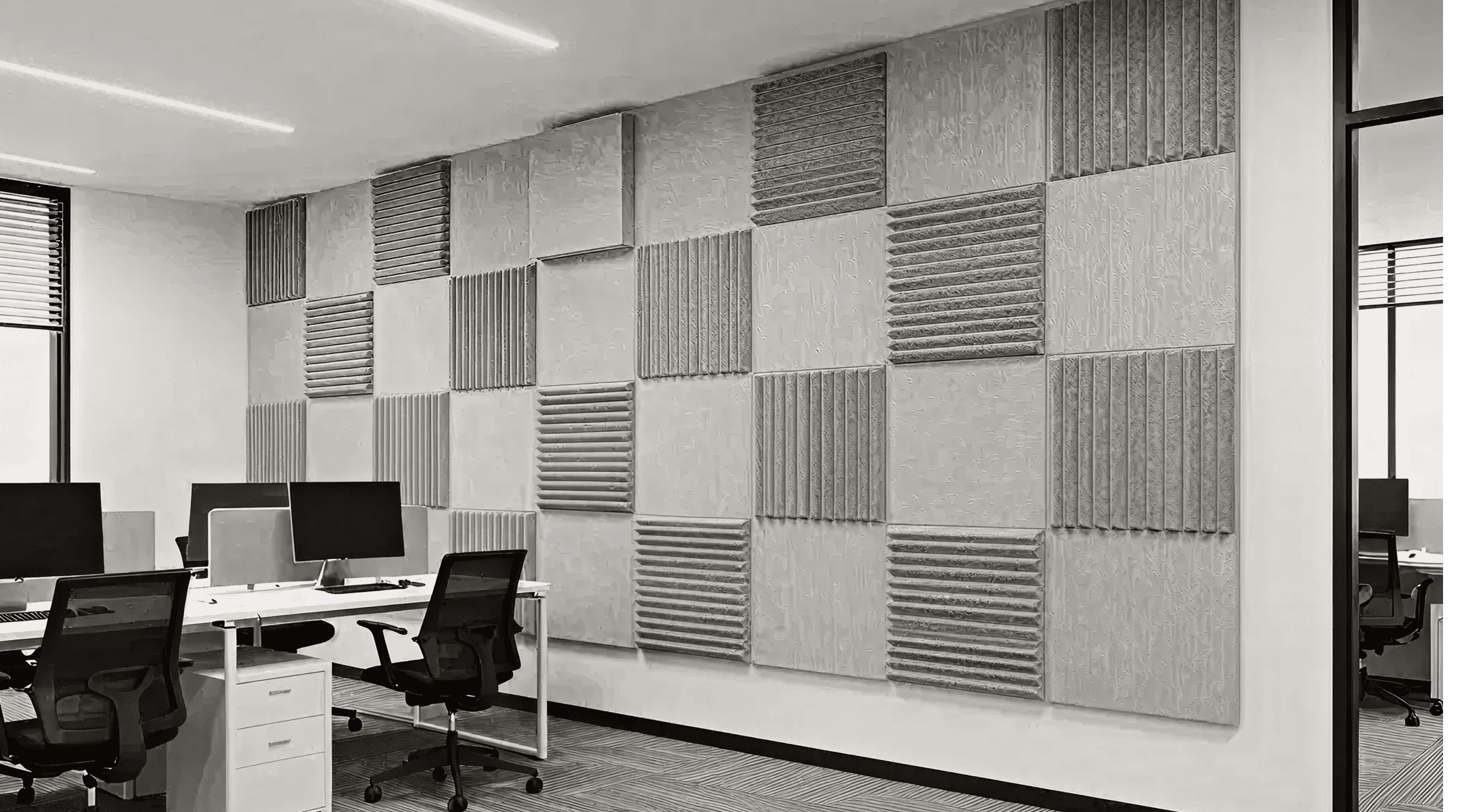
NRC indicates how effectively a material absorbs sound rather than reflecting it.
STC measures how well building elements block sound transfer between spaces.
Professional projects rely on:
This ensures that performance targets are measurable and verifiable, not assumed.
Open-plan layouts often suffer from:
Without acoustic zoning and treatment, these spaces rarely perform as intended.
Modern architecture frequently uses glass, concrete, and exposed finishes, which:
These materials require acoustic compensation to maintain comfort.
Treating acoustics after construction often results in:
Acoustics are most effective when addressed early.
Applying the same acoustic solution to all spaces—without understanding usage—leads to underperformance and user dissatisfaction.
Early-stage acoustic planning allows:
Successful projects clearly separate:
Each must be applied where appropriate.
Every space has unique acoustic needs:
Solutions must be tailored to actual use.
The most effective acoustic solutions are:
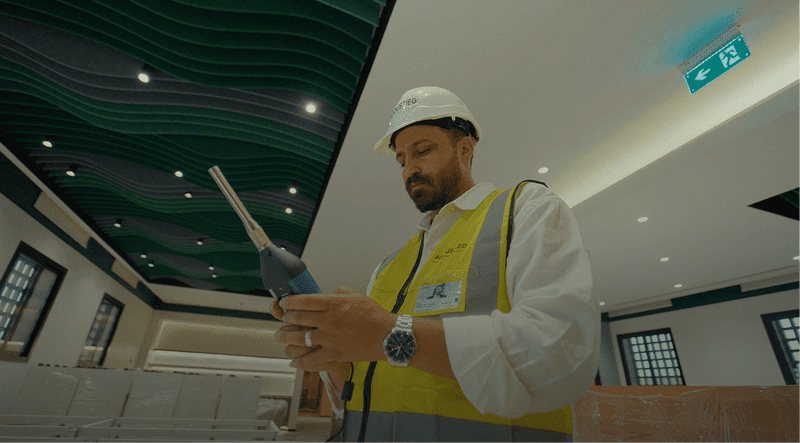
Post-installation testing ensures:
ACOUSTIEG applies a structured, engineering-led approach to building acoustics, including:
Acoustic assessment based on building function
Performance-driven design aligned with standards
Careful material selection
Precise execution and coordination
Testing and validation of acoustic outcomes
ACOUSTIEG treats acoustics as a fundamental component of building quality—not an optional enhancement.
Building acoustics are essential to the success of modern buildings. Clear standards, early planning, and best practices are the difference between spaces that merely exist and spaces that truly perform.
When acoustics are designed scientifically and implemented strategically, buildings become more comfortable, functional, and sustainable. With professional expertise from ACOUSTIEG, building acoustics transform from a technical requirement into a long-term value driver for users and owners alike.
Access your dashboard, manage your projects, and explore our full services
Don’t have an account? Sign up