In modern commercial developments, acoustics are no longer an afterthought. Sound directly impacts productivity, communication, comfort, and overall space performance. Poor acoustic design can undermine even the most visually impressive project, while well-planned acoustic solutions transform spaces into efficient, professional, and user-friendly environments.
This article explains what acoustic solutions are, why they are essential in commercial projects, and how ACOUSTIEG approaches acoustic design as a strategic component of successful facilities.
Acoustic solutions are engineered systems and treatments designed to control the way sound behaves within a space. Their purpose is not just to reduce noise, but to create a balanced acoustic environment aligned with how the space is used.
Core objectives of acoustic solutions include:
Reducing unwanted noise
Preventing sound transmission between spaces
Improving speech clarity
Controlling reverberation and echo
Enhancing overall acoustic comfort
In commercial projects, acoustic solutions are planned using measurable performance criteria, not guesswork.
Soundproofing focuses on reducing the amount of sound traveling between rooms or zones. It typically involves:
Common uses: meeting rooms, executive offices, studios, clinics, and control rooms.
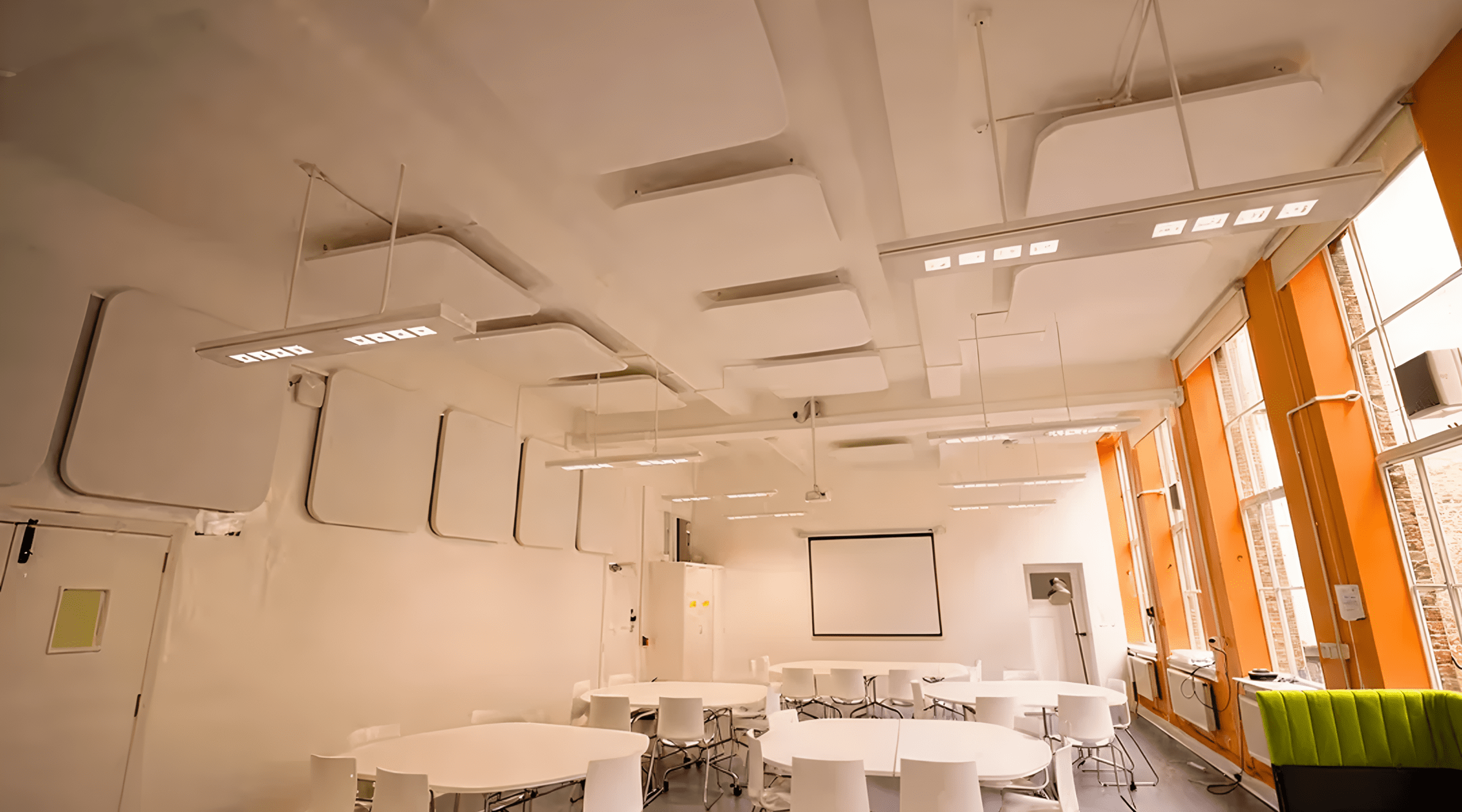
Acoustic treatment improves sound quality within the space by controlling reflections and reverberation. This includes:
Common uses: open offices, conference halls, reception areas, restaurants, and auditoriums.
Sound masking systems add a controlled background sound to:
They are especially effective in open-plan environments where full sound isolation is impractical.
Ignoring acoustics can create long-term operational challenges. Poor acoustic performance often leads to:
By integrating acoustic solutions from the design stage, commercial projects achieve:
Acoustics directly influence how a space functions, not just how it looks.
Professional acoustic solutions are defined by measurable standards, including:
NRC (Noise Reduction Coefficient): sound absorption efficiency
STC (Sound Transmission Class): sound isolation performance
RT60: reverberation time control
Acoustic simulations before execution
On-site testing and verification after installation
These metrics ensure that solutions deliver real, predictable performance.
One of the most common mistakes in commercial projects is treating acoustics as a late-stage add-on. Early acoustic planning allows:
Acoustic design works best when aligned with layout, materials, and space usage from the start.
ACOUSTIEG approaches acoustic solutions as a core engineering discipline, not a decorative upgrade. Key strengths include:
Detailed acoustic assessments
Tailored solutions based on actual space usage
Integrated soundproofing and acoustic treatment systems
Compliance with recognized acoustic standards
Experience across diverse commercial projects in Saudi Arabia
ACOUSTIEG designs acoustic environments that deliver measurable performance, long-term comfort, and operational value.
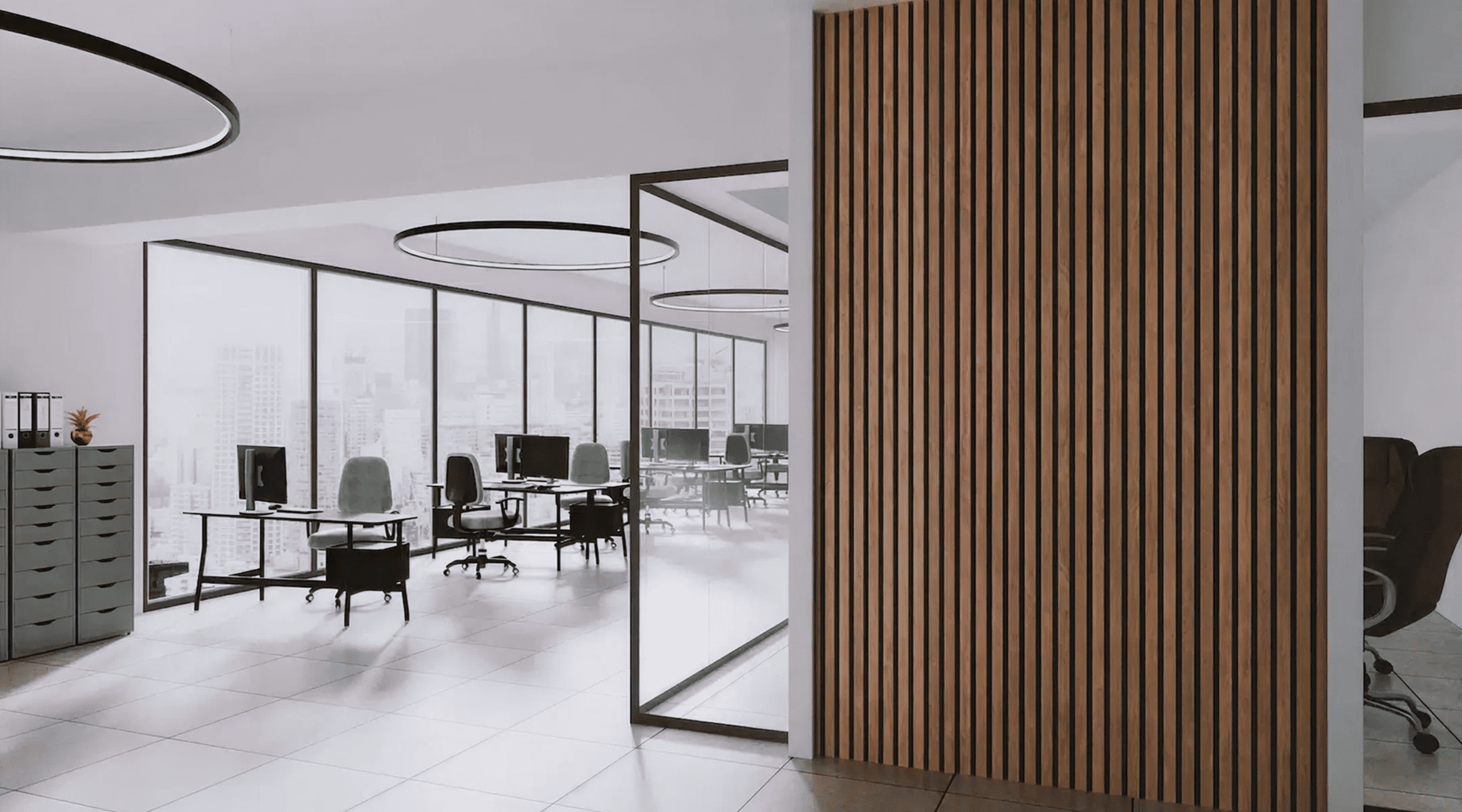
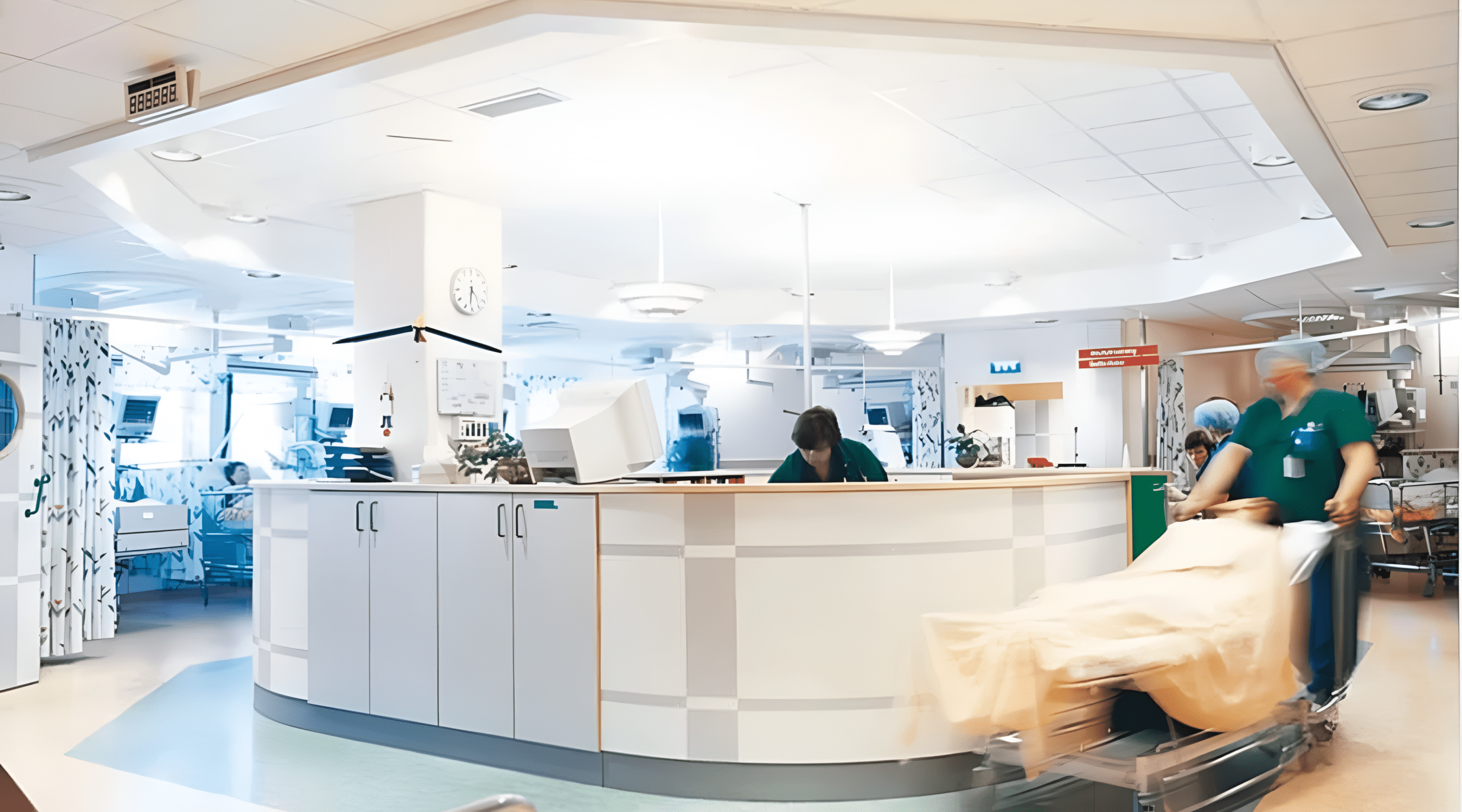
Acoustic solutions are no longer optional in commercial projects—they are essential. From offices and healthcare facilities to hospitality and retail environments, sound plays a critical role in how spaces perform and how people experience them.
When acoustics are addressed strategically and scientifically, commercial projects gain a significant functional advantage. With ACOUSTIEG, acoustic design becomes a powerful tool that enhances performance, comfort, and space quality.
Access your dashboard, manage your projects, and explore our full services
Don’t have an account? Sign up