Soundproofing For

CORPORATE & COMMERCIAL PROJECTS

Article

DESCRIPTION

In today’s business environment, sound is no longer a secondary detail.
It is an operational factor, a management decision, and in many cases, a critical layer of risk control. That is why soundproofing has become a core requirement for companies and projects—not a luxury or an afterthought.

This article reflects practical, hands-on experience in soundproofing for corporate and commercial projects: when it is needed, how it should be implemented, the common mistakes to avoid, and how to ensure it delivers real return on investment.
What Is Soundproofing?

AND WHY IT’S OFTEN MISUNDERSTOOD

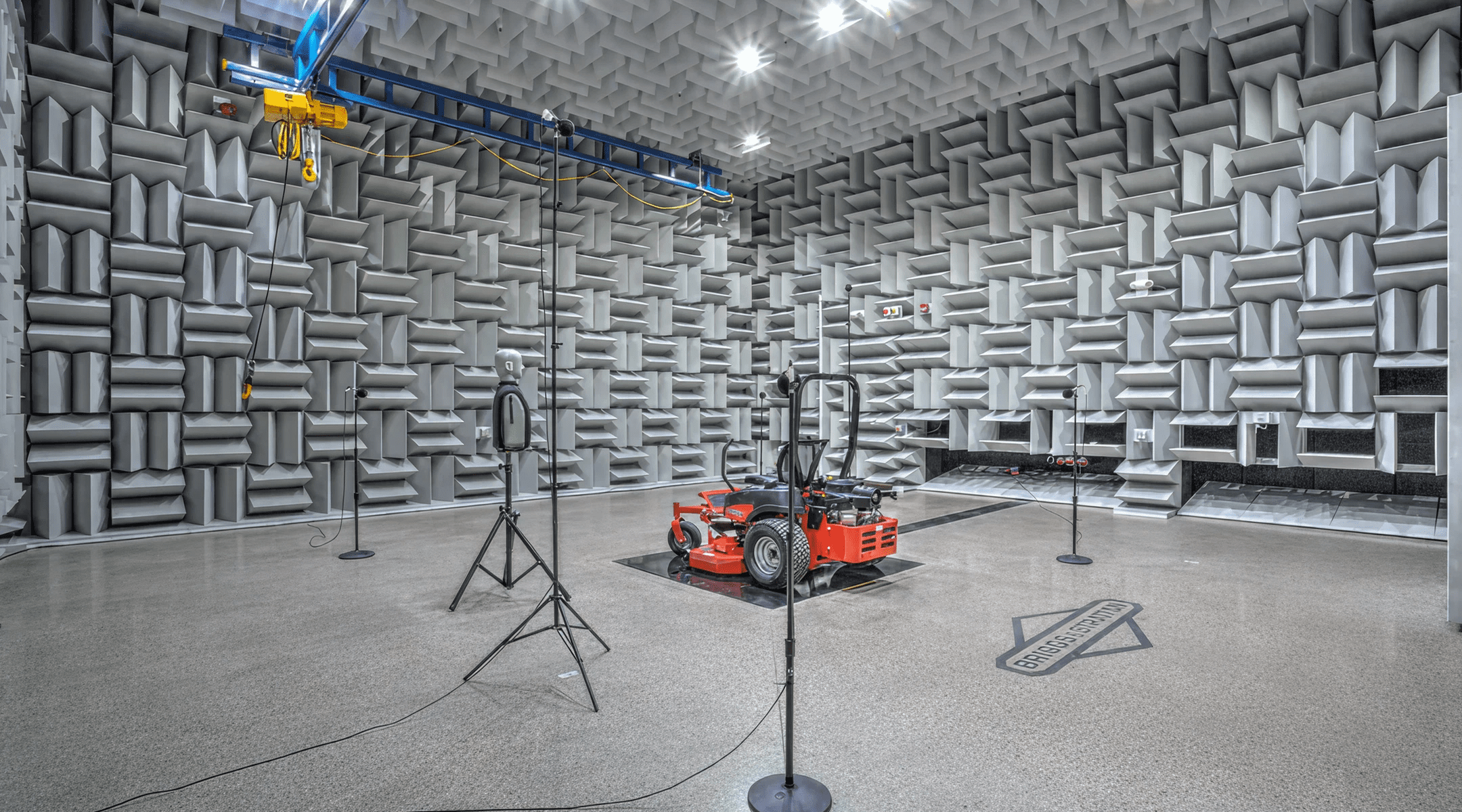
One of the most common misconceptions is confusing soundproofing with acoustic treatment.

  • Soundproofing is about preventing sound from entering or leaving a space.
  • Acoustic treatment is about improving sound quality inside a space (reducing echo, improving clarity).

In business environments, soundproofing is the foundation—especially where privacy, compliance, and operational efficiency are non-negotiable.

Why Businesses

NEED SOUNDPROOFING

Productivity & Focus

Noise is a silent productivity killer. In environments such as:

Open-plan offices

Meeting rooms

Call centers

Poor sound isolation leads to distraction, fatigue, and reduced performance. Proper soundproofing creates a calmer, more controlled workspace, directly supporting efficiency and team output.

Privacy & Corporate Governance

For many sectors, soundproofing is essential, not optional:

Financial institutions

Medical facilities

Law firms

Executive offices

Any sound leakage can result in:

Breach of confidentiality

Loss of trust

Legal or regulatory exposure

Soundproofing protects information as much as it protects comfort.

Compliance & Regulations

Certain projects must meet defined acoustic standards to operate legally or professionally, such as:

Financial institutions

Medical facilities

Law firms

Executive offices

In these cases, soundproofing is part of licensing and compliance, not a design preference.

NEXT

Articles

This article explains why acoustic planning is essential in large-scale projects and how a structured approach—such as the one applied by ACOUSTIEG—supports successful outcomes.
This article explains the key differences between acoustic design and soundproofing, when each is required, and how ACOUSTIEG applies both disciplines strategically.
This article explains architectural acoustics, outlines the full process from early design to final installation, and highlights how ACOUSTIEG applies architectural acoustics professionally.

All rights reserved to ACOUSTIEG © 2025

LOG IN TO
YOUR ACCOUNT

LOG IN

TO YOUR ACCOUNT

Access your dashboard, manage your projects, and explore our full services

Don’t have an account? Sign up