Product Factsheet &
TECHNICAL SPECIFICATIONS (PIPE/DUCT ACOUSTIC LAGGING)
Pipe/Duct Acoustic Lagging / Noise Barrier
Sound Absorption + Sound Blocking Material
Pipe / Duct Wrapping System
Flexible Wrap / Customized
Frequency Absorption Focus
Airborne Mechanical Noise & Service Noise
Pipe & Duct Noise Reduction, Sound Blocking & Acoustic Treatment
HOW THE PIPE/DUCT ACOUSTIC LAGGING
WORKS
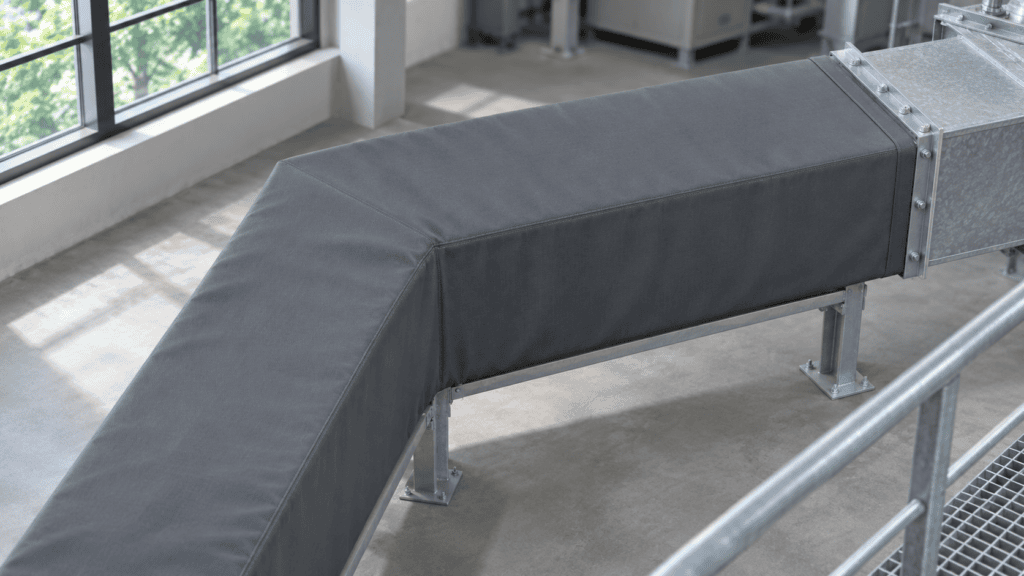
Pipe/Duct Acoustic Lagging works by creating an acoustic layer around mechanical services that can otherwise radiate and transmit noise into surrounding areas. The wrapping combines sound-absorbing and sound-blocking functions to reduce the amount of acoustic energy escaping from the pipe or duct surface.
- Reduces Radiated Noise:
- The acoustic wrap helps reduce airborne noise radiating from pipes, ducts, and mechanical services.
- Combines Absorption & Blocking:
- The layered construction is designed to both absorb acoustic energy and provide a barrier against sound transmission.
- Treats Difficult Service Paths: Wrapping allows pipes and ducts to be acoustically treated without requiring a conventional wall or ceiling acoustic enclosure. ACOUSTIEG specifically lists pipe and duct wrap among the architectural applications of its Noise Barrier system.
Direct Answer:
SOUND INSULATION & MECHANICAL NOISE CONTROL
Pipes and ducts can become significant pathways for mechanical noise, particularly when they are connected to equipment rooms, HVAC systems, pumps, fans, or other mechanical installations. In addition to noise travelling through the air inside a duct, vibration can also be transferred through the service structure and radiated from its surface.
Acoustic lagging addresses the exposed pipe or duct surface by adding a combined sound-absorbing and sound-blocking layer. ACOUSTIEG’s Noise Barrier is described as a solution for applications where both sound absorption and sound blocking need to be increased, including pipe and duct wrapping.
VS. SOUNDPROOFING
Sound absorption is primarily used to control reflected sound and reverberation inside a room, while Pipe/Duct Acoustic Lagging is applied directly to mechanical services to reduce noise transmission and radiation from pipes and ducts.
For example, an acoustic ceiling panel can improve the acoustic environment of an occupied room, but it does not directly treat a noisy duct running above the ceiling. Lagging the duct provides treatment at the source/path itself. In a complete HVAC acoustic strategy, it can be combined with duct silencers, acoustic louvers, vibration isolation, and room acoustic treatment.
Targeted
COMMERCIAL APPLICATIONS
● Corporate Workspaces: HVAC ducts, service pipes, mechanical shafts, and building services passing through offices, meeting rooms, and other occupied areas.
● Auditoriums & Educational Venues: Theaters, cinemas, lecture rooms, studios, and educational facilities where mechanical service noise must be controlled near acoustically sensitive spaces.
● Hospitality & Leisure: Hotels, restaurants, gyms, entertainment facilities, and leisure spaces where HVAC and plumbing services can contribute to unwanted background noise.
● Acoustic Suites: Recording studios, broadcast facilities, home theaters, cinemas, and other noise-sensitive environments where exposed mechanical services require dedicated acoustic treatment.
Frequently Asked Questions
FAQ
What is Pipe/Duct Acoustic Lagging used for?
It is used to acoustically wrap pipes and ducts to reduce noise radiated from mechanical services and limit airborne sound transmission into surrounding spaces.
Is Acoustic Lagging the same as a Duct Silencer?
No. A Duct Silencer is installed within the airflow path to attenuate noise travelling through the duct. Acoustic Lagging is applied around the external surface of the pipe or duct to reduce noise radiation and transmission from the service itself.
What are the published ACOUSTIEG Noise Barrier specifications used for pipe and duct wrapping?
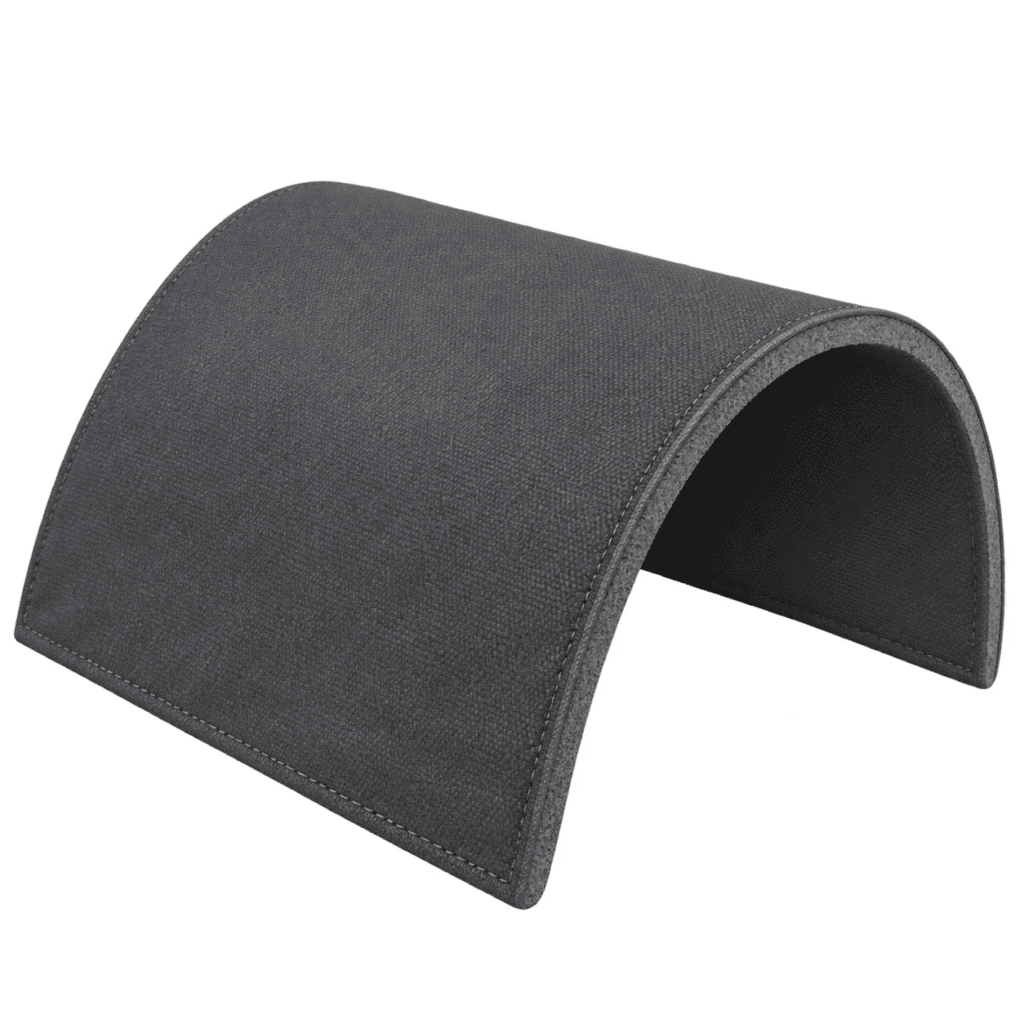
The official company profile lists PVC Tarpaulin & Fabric as the finish, a 15/18 mm thickness, a weight of 7 kg/m², and customized sizing. The same profile identifies pipe and duct wrap as an application.
Turn Better Acoustics Into
BETTER SPACES WITH ACOUSTIEG
Mechanical services should be considered part of the overall acoustic design. Pipe/Duct Acoustic Lagging provides a practical way to treat exposed pipes and ducts directly, helping reduce mechanical noise radiation and complementing other HVAC and building acoustic-control systems.
Explore Pipe/Duct Acoustic Lagging • Request Engineering Consultation • acoustieg.com