Product Factsheet &
TECHNICAL SPECIFICATIONS (MODEL SN1000)
Technical Specification (Model SN1005)
U-Shape PET Acoustic Ceiling Baffle (SN1005)
Good sound absorption at middle and high frequencies
Surface Colors & Finishes
Various colors and finish choices
How the U-Shape PET Acoustic Ceiling Baffle
ACOUSTIC CEILING SYSTEM WORKS
Uncontrolled sound reflections from ceilings and other hard surfaces can increase reverberation and reduce acoustic comfort. The ACOUSTIEG U-Shape PET Acoustic Ceiling Baffle provides a suspended acoustic treatment designed to help manage sound within interior spaces:
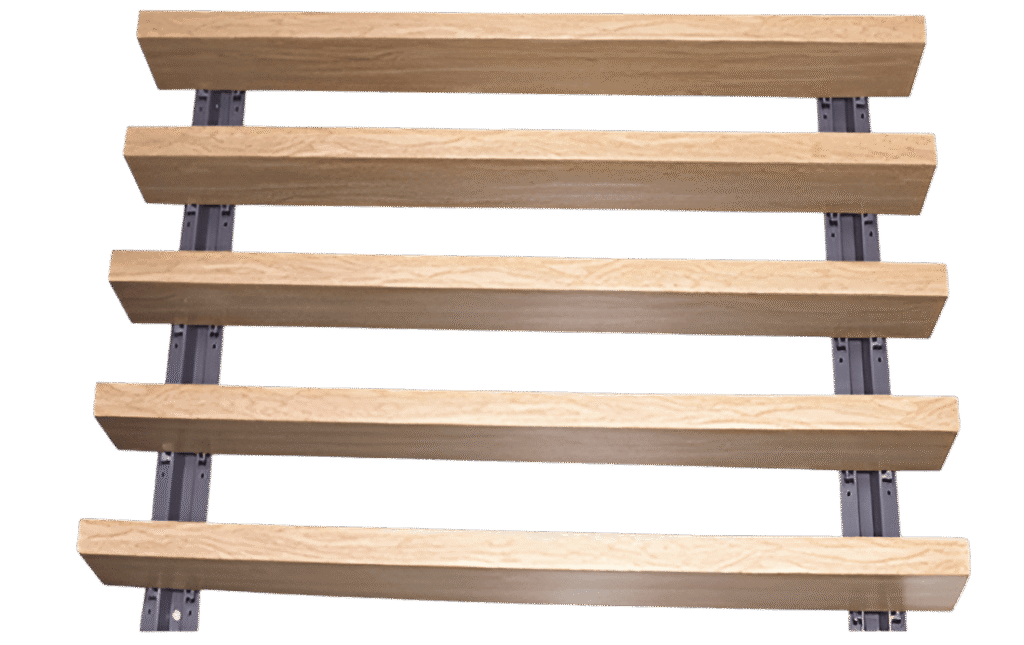
- The U-shaped polyester fiber structure creates a distinctive ceiling element while providing acoustic treatment within the space.
- The high-density PET material helps absorb sound energy and reduce unwanted acoustic reflections.
- Various colors and finish choices allow the acoustic baffles to complement different architectural and decorative requirements.
Direct Answer:
U-SHAPE PET CEILING BAFFLE
VS. STANDARD HARD CEILINGS
U-Shape PET Ceiling Baffle:
Provides suspended acoustic treatment that helps absorb sound and reduce unwanted reflections while adding a distinctive architectural element to the ceiling.
Standard Hard Ceilings:
Hard and untreated ceiling surfaces can reflect sound energy back into the room, contributing to increased reverberation and reduced acoustic comfort.
Projects with specific acoustic requirements can combine PET ceiling baffles with additional acoustic treatments to achieve the desired level of sound absorption and reverberation control.
Targeted
COMMERCIAL APPLICATIONS
● Hospitality & Leisure: Hotels, cinemas, theaters, concert halls, and other guest-focused environments requiring improved acoustic comfort.
● Corporate Workspaces: Offices, conference halls, meeting spaces, and professional environments where speech clarity and acoustic comfort are important.
● Healthcare & Educational Spaces: Hospitals, libraries, and other institutional environments that benefit from controlled interior acoustics.
● Industrial & Residential Spaces: Factories, machine rooms, residential buildings, and other environments where noise management and acoustic treatment are required.
Frequently Asked Questions
FAQ
Q : What is a U-Shape PET Acoustic Ceiling Baffle?
A : The ACOUSTIEG U-Shape PET Acoustic Ceiling Baffle is a suspended acoustic ceiling solution made from 100% polyester fiber. Model SN1005 is designed to absorb sound while providing a distinctive decorative ceiling element.
Q : What is the material of the SN1005 Acoustic Ceiling Baffle?
A : The baffle is made from 100% polyester fiber and features a high-density structure. It is also fire-resistant and eco-friendly.
Q : What frequencies does the U-Shape PET Acoustic Ceiling Baffle absorb?
A : The SN1005 provides good sound absorption performance at middle and high frequencies, helping reduce unwanted reflections and improve acoustic comfort within interior spaces.
Turn Better Acoustics Into
BETTER SPACES WITH ACOUSTIEG
ACOUSTIEG delivers acoustic consulting, 3D simulation, supply, and turnkey installation across Saudi Arabia.
Explore U-Shape PET Acoustic Ceiling Baffle • Request Engineering Consultation • acoustieg.com