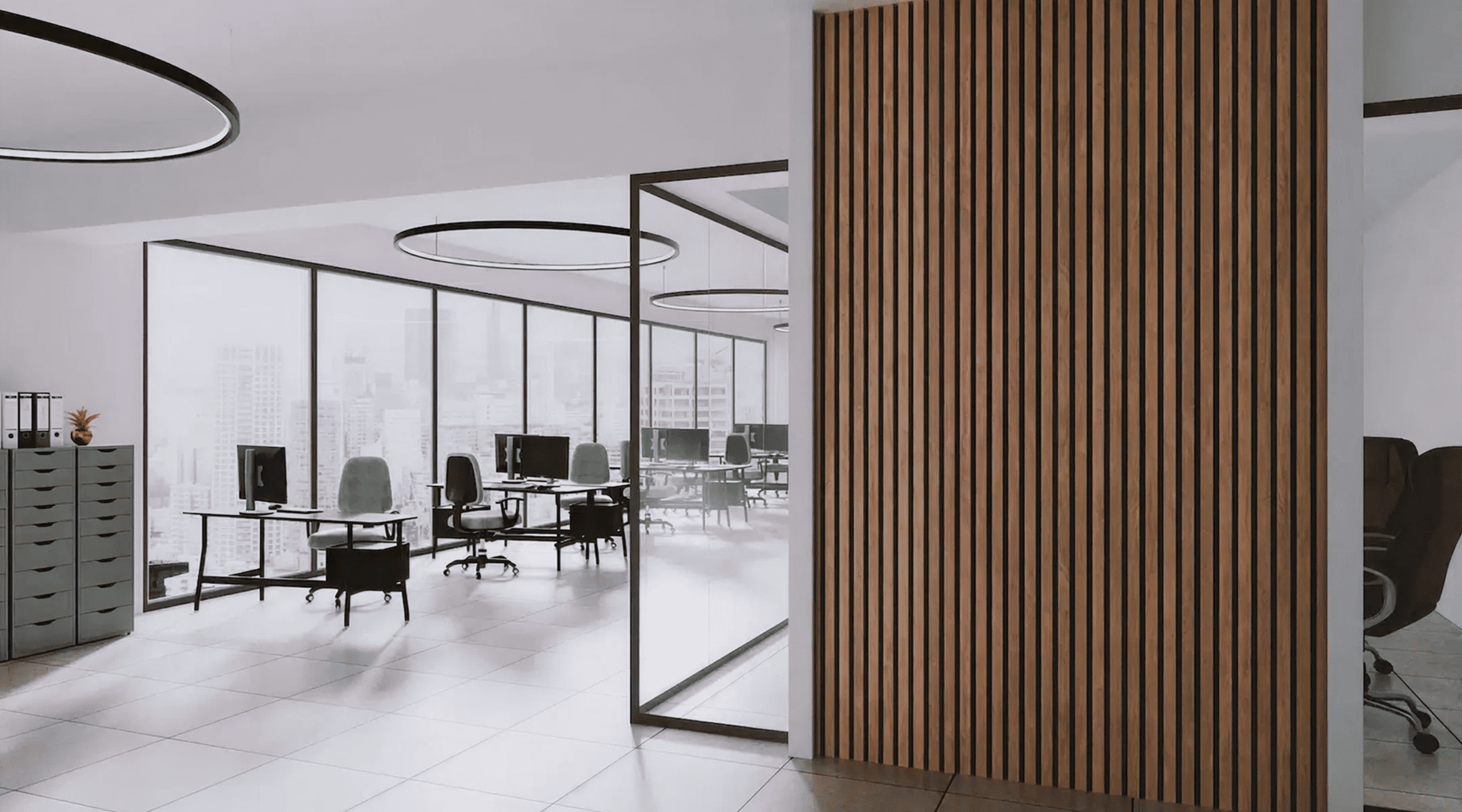
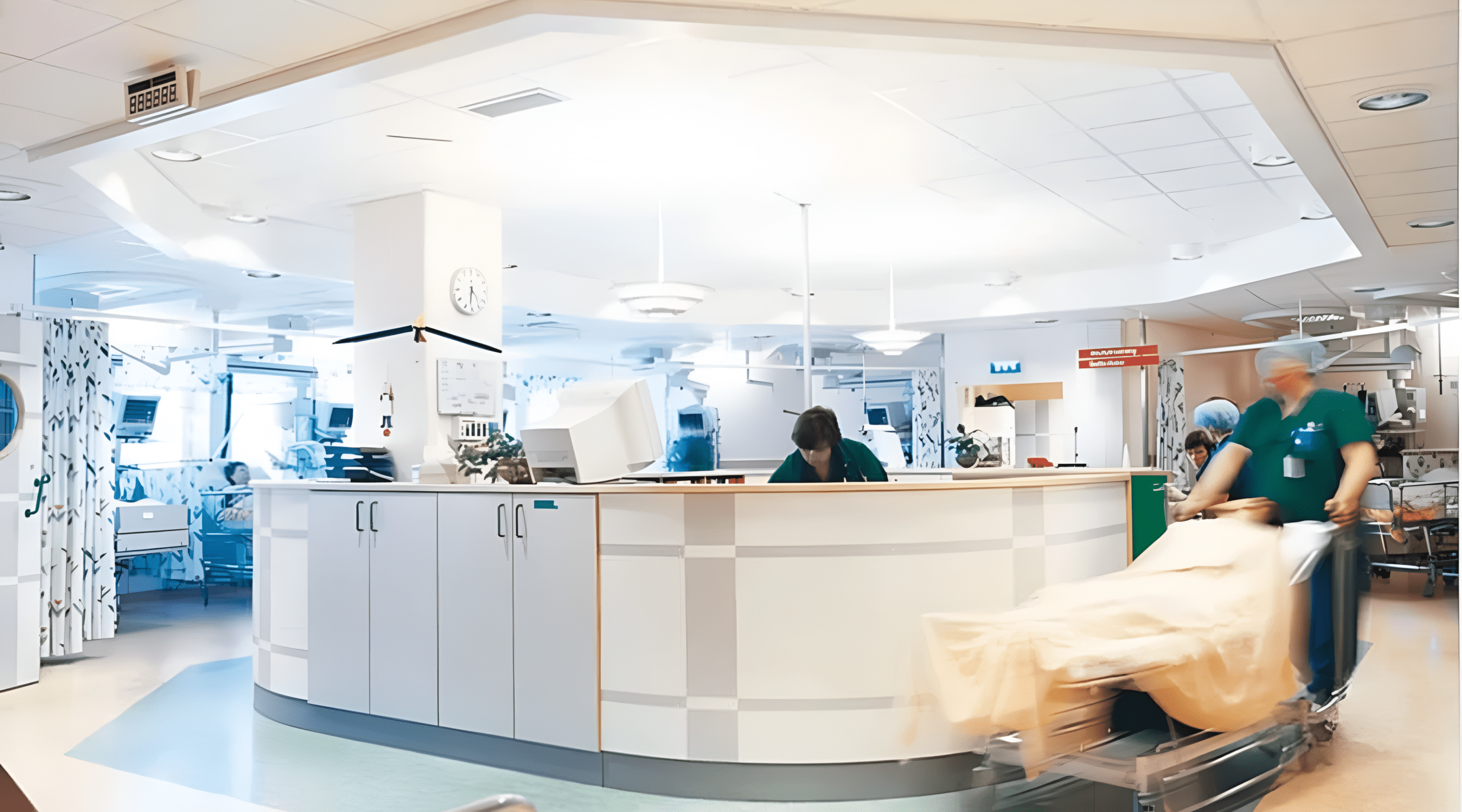
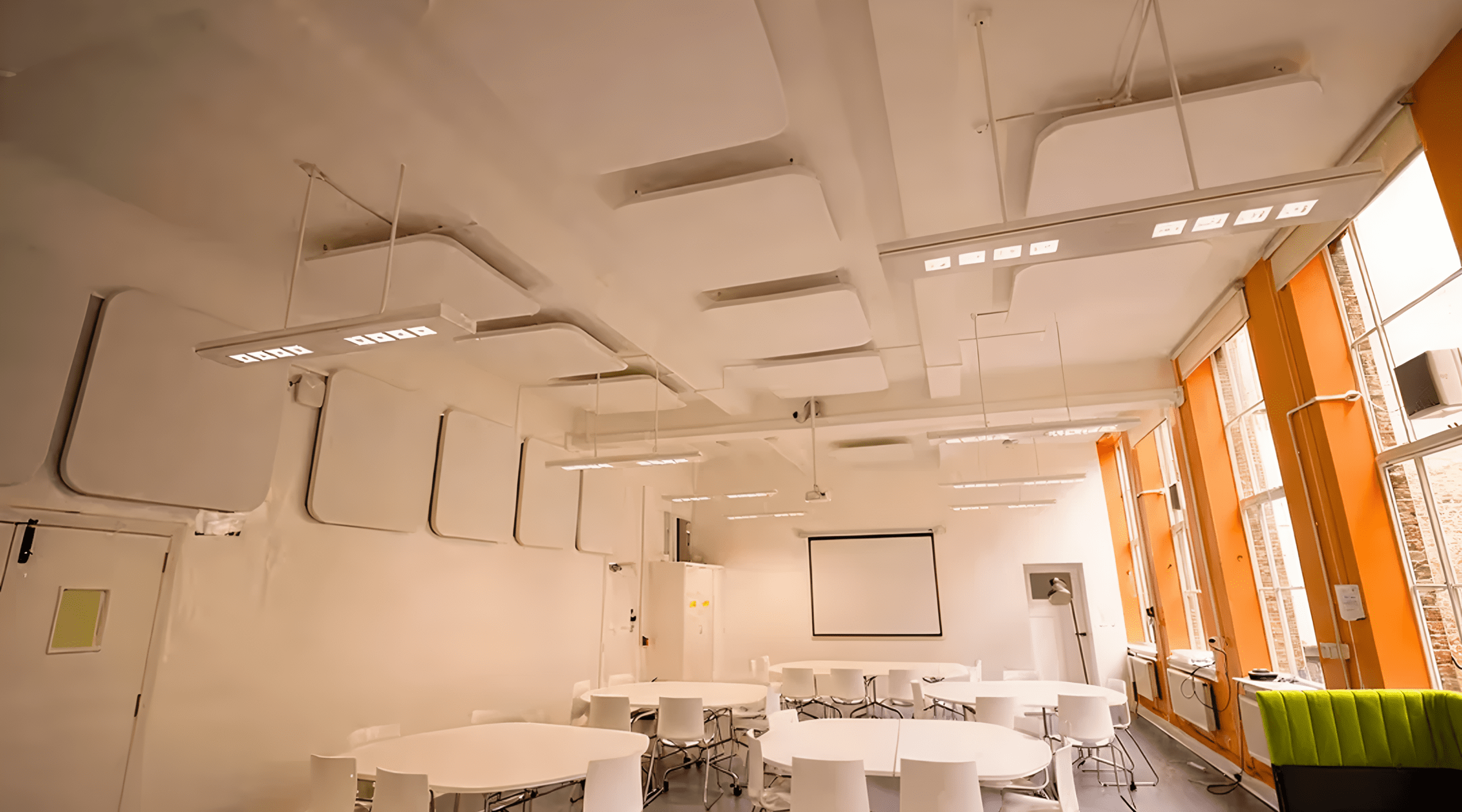
In today’s corporate environments, soundproofing is no longer a luxury—it is a critical requirement for privacy, productivity, and professional performance. As offices become more dynamic and collaborative, unmanaged noise and sound leakage can quickly undermine communication, confidentiality, and employee focus.
This article explains what corporate soundproofing solutions are, when businesses need them, what to consider before implementation, and how a structured engineering approach—such as the one applied by ACOUSTIEG—delivers reliable, long-term results.
Corporate soundproofing refers to engineering systems designed to prevent sound from traveling between spaces within a workplace or between the workplace and its surroundings. The primary objective is sound isolation—containing noise where it belongs and protecting sensitive areas from disruption.
Unlike acoustic treatment, which improves sound quality within a room, soundproofing focuses on:
Blocking sound transmission
Enhancing speech confidentiality
Reducing noise interference between departments
Without proper soundproofing, corporate environments often face:
Lack of privacy in meetings and calls
Constant distractions in adjacent work areas
Noise conflicts between departments
A diminished professional image
Effective soundproofing helps businesses achieve:
Confidential communication
A calmer, more controlled work environment
Improved employee focus
Stronger trust with clients and stakeholders
Meeting and Conference Rooms
To ensure confidentiality and prevent sound leakage during discussions and decision-making.
Executive Offices
To support private conversations and reduce external noise interference.
Call Rooms and Virtual Meeting Spaces
Essential for clear communication and professional remote interactions.
Sensitive Departments
Such as HR, legal, finance, and compliance teams.
Technical and Equipment Rooms
To isolate noise generated by mechanical or IT systems.
Professional soundproofing solutions are based on proven acoustic engineering principles, including:
Mass: Dense materials that block sound transmission
Decoupling: Reducing structural connections that transmit vibration
Sealing: Eliminating gaps and air paths where sound can leak
Internal absorption: Reducing sound energy within wall and ceiling systems
Soundproofing performance is commonly measured using STC (Sound Transmission Class) ratings.
Many soundproofing failures result from:
These mistakes often lead to limited performance and unnecessary costs.
Soundproofing controls sound transfer, while acoustic treatment improves sound quality inside a room. Most corporate spaces require both—but for different reasons.
Early soundproofing integration allows:
Each space has different sound isolation needs. A boardroom does not require the same solution as a call room or open office.
Post-installation testing ensures soundproofing targets are met and maintained.
ACOUSTIEG applies a performance-driven, engineering-led methodology that includes:
Assessing sound risks based on space function
Defining measurable soundproofing targets
Designing integrated isolation systems
Precise execution and detailing
Performance verification and quality control
ACOUSTIEG delivers soundproofing solutions that support business operations—not just building specifications.
Corporate soundproofing solutions are essential for modern businesses that value privacy, focus, and professional credibility. When designed and executed correctly, soundproofing enhances productivity, protects sensitive communication, and improves the overall workplace experience.
By approaching soundproofing strategically and early, businesses transform noise control from a reactive fix into a long-term operational advantage. With the expertise of ACOUSTIEG, corporate soundproofing becomes a reliable investment in workplace quality and performance.
Access your dashboard, manage your projects, and explore our full services
Don’t have an account? Sign up