Acoustic Solutions for Offices:

REDUCING NOISE AND IMPROVING FOCUS

Article

DESCRIPTION

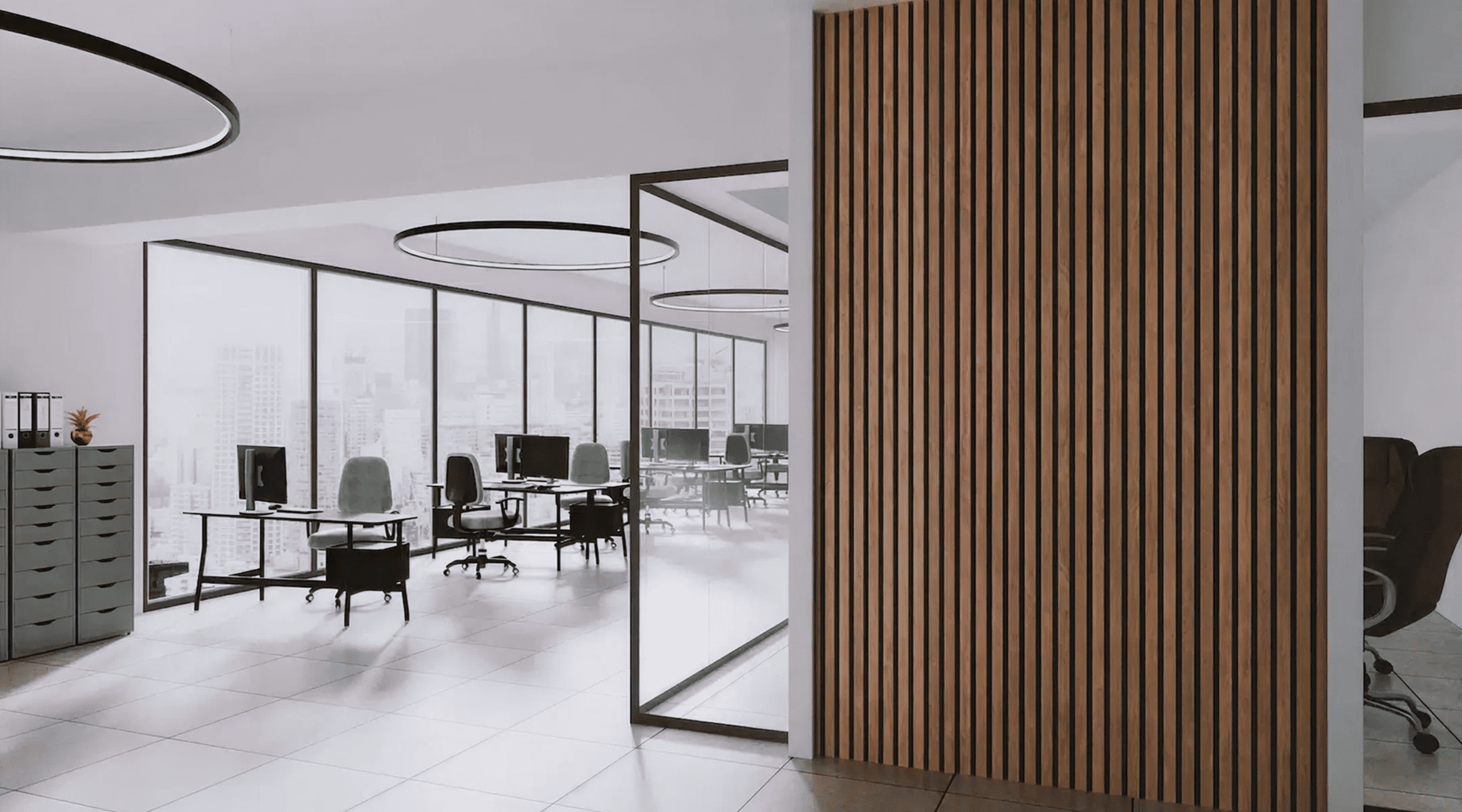
Modern office environments are designed to encourage collaboration, flexibility, and efficiency. However, without proper acoustic control, these same spaces often suffer from excessive noise, constant distraction, and reduced employee focus. As a result, acoustic solutions have become a core requirement for high-performing offices—not a secondary design feature.

This article explains how acoustic solutions for offices reduce noise, improve focus, and support productivity, and how a structured approach—such as the one applied by ACOUSTIEG—helps create balanced and efficient work environments.
The Impact of

NOISE IN OFFICE ENVIRONMENTS

Uncontrolled office noise typically comes from:

  • Conversations and phone calls

  • Open-plan layouts

  • Meeting rooms without acoustic control

  • HVAC systems and office equipment


Over time, this leads to:

  • Reduced concentration and task efficiency

  • Increased stress and mental fatigue

  • Lower quality communication

  • Decreased overall employee satisfaction


Noise is one of the most common—and costly—barriers to workplace performance.

What Are

OFFICE ACOUSTIC SOLUTIONS?

Office acoustic solutions are engineered systems designed to control sound behavior within workspaces. Their purpose is not complete silence, but rather creating an environment where sound supports productivity instead of disrupting it.

Core objectives include:

  • Reducing background noise

  • Improving speech clarity

  • Enhancing acoustic privacy

  • Controlling reverberation and echo

  • Supporting different work modes

Key Acoustic Solutions

FOR OFFICES

Acoustic Treatment for Sound Quality

Acoustic treatment focuses on how sound behaves inside the space. By reducing reflections and reverberation, it improves clarity and comfort.

Typical solutions include:

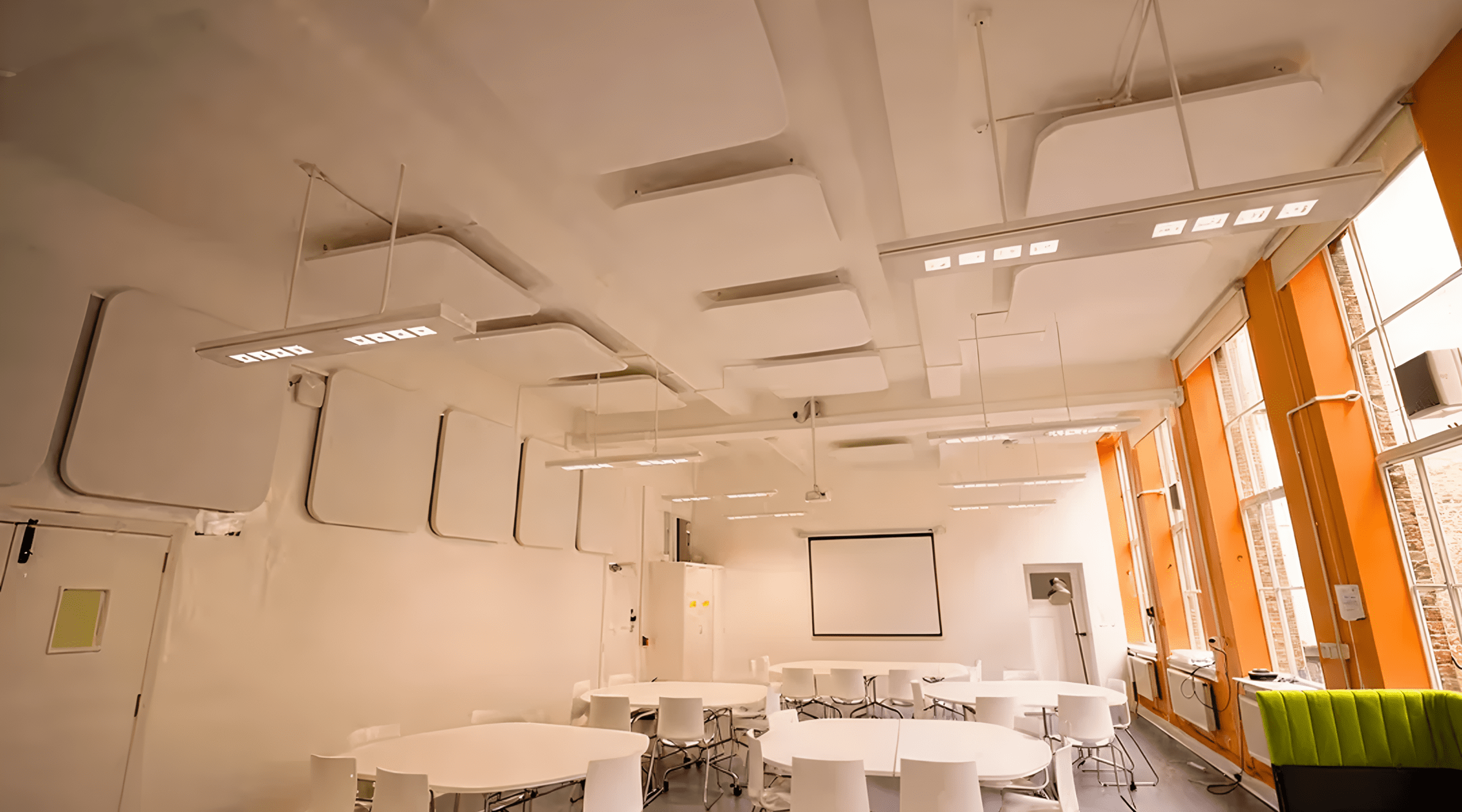
Acoustic wall and ceiling panels

Suspended acoustic systems

Fabric-based and perforated materials

These treatments are essential for open offices, collaboration zones, and meeting rooms.

Soundproofing for Privacy

Soundproofing controls sound transmission between spaces, ensuring confidentiality and minimizing disruption.

Common applications include:

Meeting rooms and boardrooms

Executive offices

Focus rooms and call rooms

Soundproofing relies on proper wall construction, insulation, and airtight detailing.

Sound Masking Systems

Sound masking introduces a controlled background sound that:

Reduces speech distraction

Improves acoustic privacy

Enhances focus in shared environments

It is particularly effective in open-plan offices where full sound isolation is impractical.

How Acoustic Solutions Improve

FOCUS AND PRODUCTIVITY

  • Reduced Distraction: By lowering unwanted noise and reflections, employees can focus for longer periods without cognitive overload.
  • Clearer Communication: Improved speech intelligibility reduces misunderstandings, shortens meetings, and increases efficiency.
  • Enhanced Privacy: Acoustic privacy builds trust, supports confidential conversations, and improves workplace comfort.
  • Lower Stress Levels: Balanced acoustic environments reduce mental fatigue and support long-term well-being.

Acoustic Performance Criteria

FOR OFFICES

Professional office acoustics are based on measurable standards, including:

  • Reverberation Time (RT60): controls echo and clarity

  • Noise Reduction Coefficient (NRC): measures sound absorption

  • Sound Transmission Class (STC): evaluates sound isolation

  • Acoustic modeling during design

  • Post-installation testing and verification


These metrics ensure solutions deliver real, predictable performance.

The Importance of

EARLY ACOUSTIC PLANNING

Addressing acoustics after office completion often results in:

  • Limited solution options

  • Higher retrofit costs

  • Compromised performance


Early acoustic planning allows:

  • Seamless integration with office layout and design

  • Cost-effective material selection

  • Better long-term productivity outcomes

Why Choose

ACOUSTIEG?

ACOUSTIEG approaches office acoustics as a performance-driven engineering discipline, not a decorative add-on. Its methodology includes:

  • Detailed acoustic assessments based on actual office use

  • Tailored solutions for open offices, meeting rooms, and focus spaces

  • Integration of acoustic treatment and soundproofing

  • Compliance with recognized acoustic standards

  • Testing to validate real-world results


ACOUSTIEG designs office environments where sound actively supports focus, collaboration, and productivity.

CONCLUSION

Effective acoustic solutions are essential for modern offices. By reducing noise, improving focus, and enhancing communication, they directly influence how people work and perform every day.

In well-designed offices, sound is no longer a distraction—it becomes a tool for productivity. With professional acoustic solutions from ACOUSTIEG, offices achieve quieter environments, clearer communication, and stronger overall performance.

NEXT

Articles

This article explores building acoustics, the key standards that govern them, the most common challenges in real projects, and best practices for achieving reliable acoustic performance.
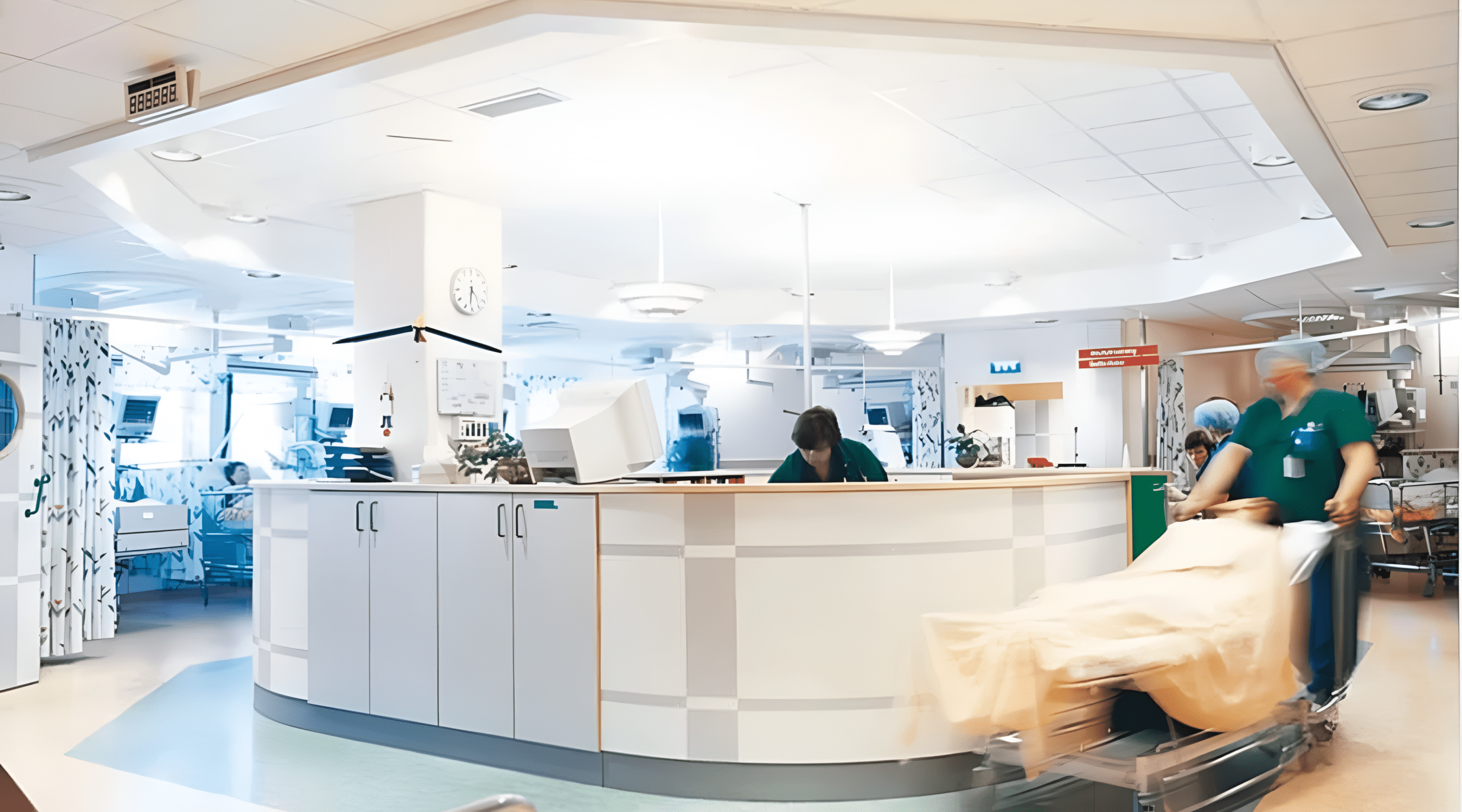
This article explains the role of acoustic solutions in healthcare environments and best practices for achieving a balance between regulatory compliance and acoustic comfort.
This article explores the importance of acoustic solutions for educational buildings and universities and compliant acoustic performance-highlighting the approach adopted by ACOUSTIEG.

All rights reserved to ACOUSTIEG © 2025

LOG IN TO
YOUR ACCOUNT

LOG IN

TO YOUR ACCOUNT

Access your dashboard, manage your projects, and explore our full services

Don’t have an account? Sign up