Acoustic Solutions for

HEALTHCARE FACILITIES: COMPLIANCE & COMFORT

Article

DESCRIPTION

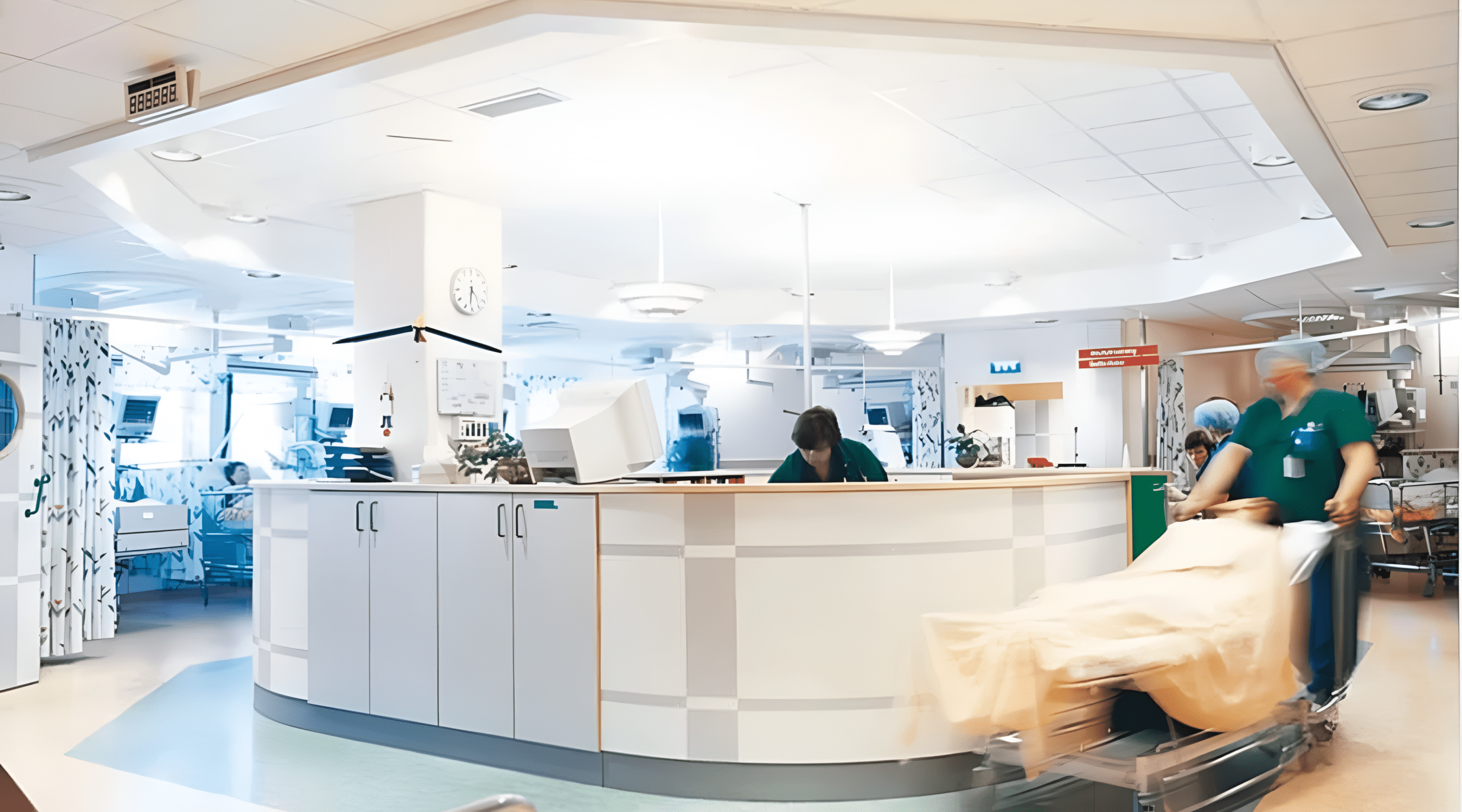
Healthcare facilities are among the most acoustically sensitive environments. Sound directly affects patient comfort and recovery, staff concentration, clinical communication, and regulatory compliance. Uncontrolled noise can increase stress, disrupt sleep, interfere with medical communication, and negatively impact the overall quality of care. For this reason, acoustic solutions in healthcare facilities are not optional—they are essential.

This article explains the role of acoustic solutions in healthcare environments, key compliance requirements, common challenges, and best practices for achieving a balance between regulatory compliance and acoustic comfort, highlighting the professional approach applied by ACOUSTIEG.
Why Acoustics Matter in

HEALTHCARE FACILITIES

Hospitals, clinics, and medical centers operate under constant pressure, with patients, visitors, and medical staff sharing the same environment. Poor acoustic conditions often result in:

  • Increased patient stress and anxiety

  • Disrupted sleep and slower recovery

  • Miscommunication between medical staff

  • Reduced staff focus and higher fatigue

  • Complaints and lower patient satisfaction


Well-designed acoustic environments support:

  • Patient comfort and healing
  • Clear and accurate communication
  • Safer clinical operations
  • A calmer, more humane care experience

Acoustic Compliance

REQUIREMENTS IN HEALTHCARE

Healthcare facilities are subject to strict acoustic expectations designed to protect both patients and staff. Key compliance considerations typically include:

Background Noise Levels

Controlling ambient noise in:

  • Patient rooms

  • Intensive care units

  • Operating rooms

  • Corridors and nursing stations

Speech Intelligibility

Clear communication is critical for:

  • Medical instructions

  • Staff coordination

  • Emergency response

Poor speech intelligibility increases the risk of operational errors.

Acoustic Privacy

Speech privacy is essential in:

  • Consultation rooms

  • Examination areas

  • Treatment and therapy rooms

Confidential medical discussions must be protected from sound leakage.

Acoustic Performance Metrics

Professional healthcare acoustics are designed around measurable criteria such as:

  • Reverberation Time (RT60)

  • Sound Transmission Class (STC)

  • Noise Reduction Coefficient (NRC)

These metrics ensure environments meet both comfort and compliance requirements.

Common Acoustic Challenges in

HEALTHCARE FACILITIES

  • Medical Equipment and Building Systems: Medical devices, alarms, HVAC systems, and technical rooms generate continuous background noise.
  • Constant Movement: Staff activity, patient transport, and equipment carts contribute to elevated noise levels, especially in corridors.
  • Adjacency of Quiet and Active Zones: Without proper planning, noise from public or service areas can easily reach patient rooms and sensitive spaces.
  • Hygiene and Durability Requirements: Acoustic materials must be:
    • Easy to clean
    • Resistant to moisture and bacteria
    • Compatible with infection-control protocols

Core Acoustic Solutions for

HEALTHCARE FACILITIES

Soundproofing and Acoustic Isolation

Soundproofing prevents noise transfer between spaces such as:

Patient rooms

Consultation and examination rooms

Operating and procedure rooms

Public corridors and service areas

The goal is to protect privacy and minimize disturbance.

Acoustic Treatment for Sound Quality

Acoustic treatment improves sound behavior within a space by:

Reducing reverberation

Improving speech clarity

Lowering background noise perception

Commonly applied in:

Patient rooms

Nursing stations

Waiting areas

Training and conference rooms

Noise Control for Building Systems

Specialized acoustic solutions are used to control noise from:

HVAC systems

Medical and technical equipment

Mechanical and service rooms

This ensures a stable and comfortable acoustic environment.

Best Practices for

HEALTHCARE ACOUSTIC DESIGN

Plan Acoustics Early

Integrating acoustics from the design stage allows:

  • Easier regulatory compliance
  • Higher performance outcomes
  • Reduced corrective costs later

Design Based on Space Function

Each healthcare area has unique acoustic needs:

  • Patient rooms prioritize calm and rest
  • Clinical spaces require clarity and focus
  • Public areas need noise control without isolation

Select Healthcare-Appropriate Materials

Acoustic materials must be:

  • Safe for medical environments
  • Durable and long-lasting
  • Easy to maintain and disinfect

Measure and Verify Performance

Post-installation testing ensures:
  • Compliance with acoustic targets
  • Consistent performance over time
  • Confidence for operators and regulators

The ACOUSTIEG Approach to

HEALTHCARE ACOUSTICS

ACOUSTIEG delivers healthcare acoustic solutions through a specialized, engineering-driven methodology that includes:

  • Comprehensive acoustic assessment of healthcare facilities

  • Clear definition of compliance and comfort targets

  • Tailored soundproofing and acoustic treatment strategies
  • Selection of materials suitable for medical environments
  • Precise execution and performance verification


ACOUSTIEG treats acoustics as an integral part of healthcare quality—supporting healing, safety, and operational excellence.

CONCLUSION

Acoustic solutions in healthcare facilities are critical to both regulatory compliance and patient comfort. Quiet, controlled sound environments contribute to faster recovery, better staff performance, and safer clinical outcomes.

When acoustic planning is approached scientifically and integrated early, healthcare facilities become calmer, more efficient, and more patient-centered. With the expertise of ACOUSTIEG, healthcare acoustics evolve from a technical requirement into a strategic investment in quality care.

NEXT

Articles

This article explores building acoustics, the key standards that govern them, the most common challenges in real projects, and best practices for achieving reliable acoustic performance.
This article explains the role of acoustic solutions in healthcare environments and best practices for achieving a balance between regulatory compliance and acoustic comfort.
This article explores the importance of acoustic solutions for educational buildings and universities and compliant acoustic performance-highlighting the approach adopted by ACOUSTIEG.

All rights reserved to ACOUSTIEG © 2025

LOG IN TO
YOUR ACCOUNT

LOG IN

TO YOUR ACCOUNT

Access your dashboard, manage your projects, and explore our full services

Don’t have an account? Sign up