Noise Control Solutions

For Mechanical and Utility Rooms

Article

DESCRIPTION

Mechanical and utility rooms are essential to building operations, but they are also among the largest sources of unwanted noise. Equipment such as HVAC units, pumps, generators, and electrical systems can generate continuous and structure-borne noise that spreads throughout the building, affecting comfort, productivity, safety, and regulatory compliance.


This article explains the importance of noise control solutions for mechanical and utility rooms, common noise challenges, effective mitigation strategies, and how an engineering-led approach—such as the one applied by ACOUSTIEG—ensures reliable, long-term performance.
Why Noise

Control Matters in Mechanical & Utility Rooms

Uncontrolled noise from mechanical spaces can lead to:
  • Disturbance in offices, healthcare, educational, and residential areas
  • Reduced speech clarity in adjacent rooms
  • Increased vibration and structural fatigue
  • Complaints from occupants and operators
  • Failure to meet building and environmental noise limits

Effective noise control protects both building users and critical infrastructure.

Common Noise Sources

In Mechanical and Utility Rooms

Typical noise and vibration sources include:
  • Air handling units (AHUs) and chillers
  • Pumps and water systems
  • Generators and transformers
  • Compressors and boilers
  • Electrical panels and UPS systems
  • Ventilation fans and ductwork

These systems often operate continuously, making noise control a baseline requirement, not a corrective measure.

Key Noise

Control Solutions

Soundproofing and Acoustic Enclosures

Soundproofing is used to contain noise at the source and prevent transmission to adjacent spaces.

Common solutions include:

Acoustic enclosures for generators, pumps, and compressors

Sound-rated partitions and walls

Acoustic doors and access panels

Performance is typically evaluated using STC ratings and insertion loss targets.

Acoustic Treatment Inside Rooms

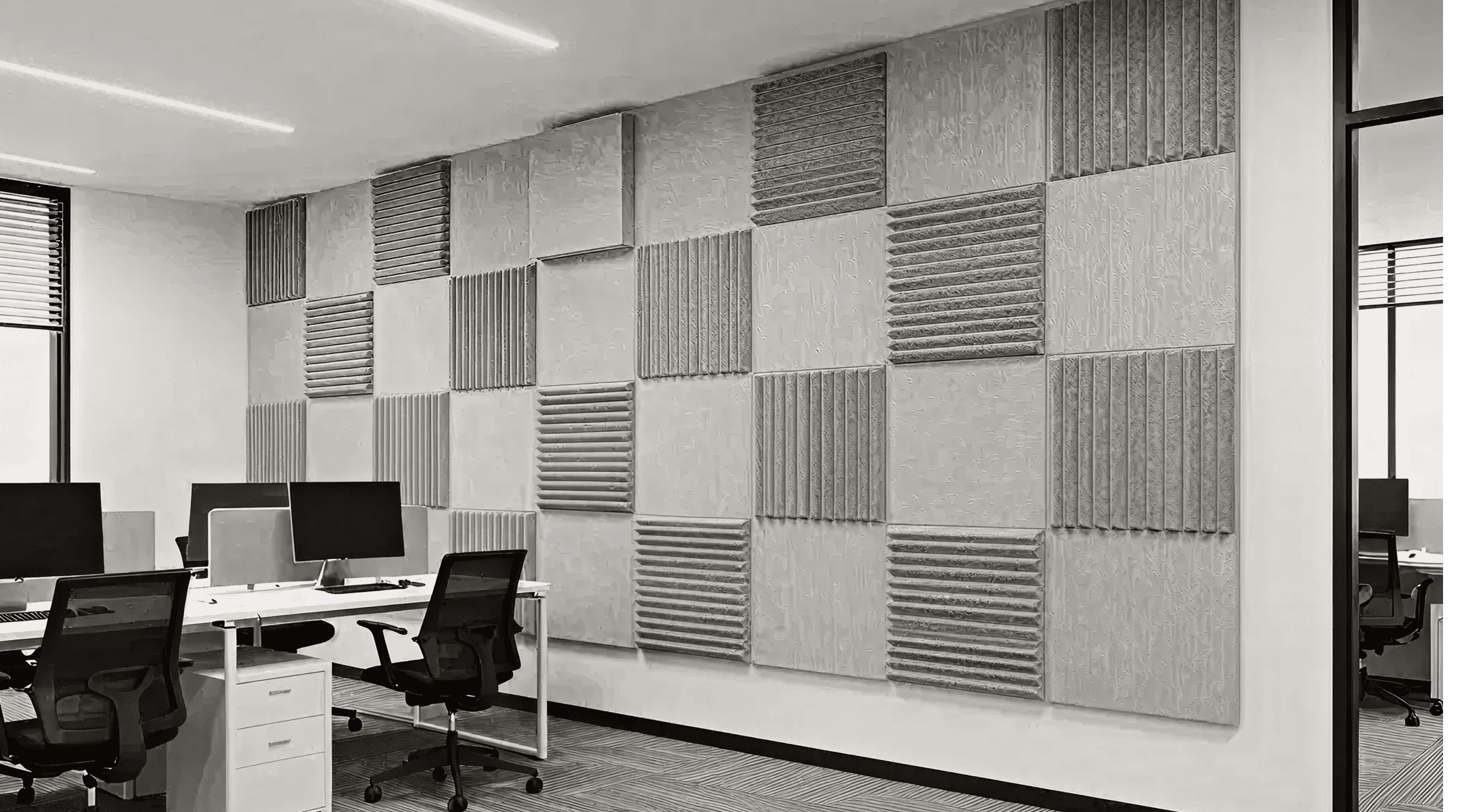
Acoustic treatment reduces sound reflections and overall noise buildup inside mechanical rooms by:

Lowering reverberation levels

Reducing perceived noise intensity

Improving maintenance communication and safety

Typical treatments include:

Durable acoustic wall and ceiling panels

Impact-resistant absorptive materials

Moisture- and fire-rated acoustic systems

Vibration Isolation

Many noise problems originate from vibration transmitted through the building structure. Vibration control solutions include

Spring or rubber isolation mounts

Inertia bases for heavy equipment

Flexible connections for pipes and ducts

Effective vibration isolation prevents structure-borne noise from spreading.

Duct and Ventilation Noise Control

Airborne noise often travels through ventilation systems. Control measures include:

Acoustic silencers and attenuators

Lined duct sections

Acoustic louvers for intake and exhaust openings

These solutions reduce noise without compromising airflow or system efficiency.

Structural and Layout Optimization

Noise control is most effective when supported by good planning, such as:

Proper separation between mechanical rooms and occupied spaces

Strategic equipment placement

Avoiding direct structural connections where possible

Acoustic solutions allow each space to function as intended, supporting diverse working preferences without conflict.

Compliance and

Performance Considerations

Noise control solutions for mechanical rooms must align with:

  • Building code requirements
  • Environmental noise limits
  • Occupational health and safety standards
  • Project-specific performance criteria


Verification typically includes:

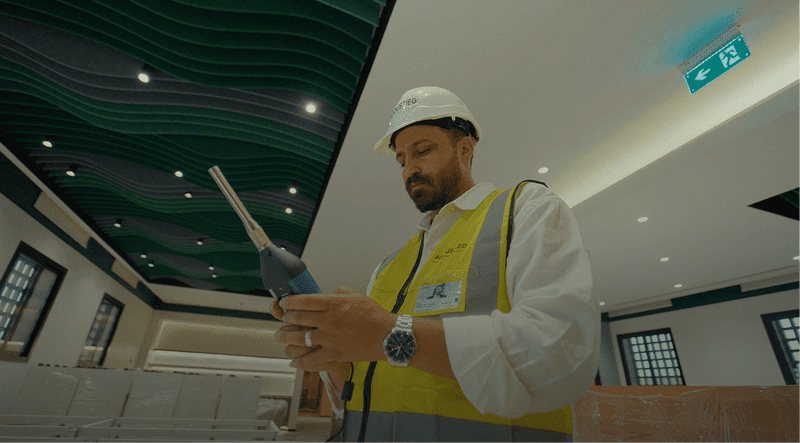
  • Noise measurements before and after installation
  • Documentation of compliance
  • Long-term monitoring where required

Best Practices for

Mechanical Room Noise Control

    • Plan early: Integrate noise control during the design phase to reduce cost and complexity.
    • Control noise at the source: Always prioritize source treatment over downstream fixes.
    • Design for durability: Solutions must withstand heat, moisture, vibration, and maintenance activity.
    • Coordinate disciplines: Acoustic design must align with mechanical, electrical, and architectural systems.
    • Measure and verify: Testing ensures solutions perform as intended.

The ACOUSTIEG

Approach

ACOUSTIEG delivers noise control solutions for mechanical and utility rooms through a structured, engineering-driven methodology that includes:
  • On-site noise and vibration assessment
  • Identification of critical noise paths and risks
  • Definition of clear performance and compliance targets
  • Design of integrated soundproofing, treatment, and isolation systems
  • Precise execution and post-installation verification

ACOUSTIEG treats mechanical noise control as a core building performance requirement—not a secondary technical fix.

Conclusion

Acoustic solutions play a vital role in enhancing employee wellbeing. By reducing stress, improving focus, supporting communication, and protecting privacy, sound becomes a positive contributor to the work experience rather than a hidden burden.


In modern organizations, wellbeing is shaped not only by what employees see and feel—but also by what they hear. With professional acoustic solutions from ACOUSTIEG, workplaces evolve into environments that actively support mental health, comfort, and long-term performance.

NEXT

Articles

Industrial noise control solutions are essential for factories and warehouses operating in demanding conditions. By reducing noise exposure, improving communication, and ensuring regulatory compliance, these solutions directly enhance workplace safety, operational efficiency, and long-term sustainability.
Mechanical and utility rooms are vital to building functionality, but without proper noise control, they can compromise the comfort and performance of the entire facility. Well-designed noise control solutions reduce disturbance, protect building systems, and ensure regulatory compliance.
Acoustic solutions play a vital role in enhancing employee wellbeing. By reducing stress, improving focus, supporting communication, and protecting privacy, sound becomes a positive contributor to the work experience rather than a hidden burden.

All rights reserved to ACOUSTIEG © 2025

LOG IN TO
YOUR ACCOUNT

LOG IN

TO YOUR ACCOUNT

Access your dashboard, manage your projects, and explore our full services

Don’t have an account? Sign up