The Business Impact of

POOR ACOUSTICS IN COMMERCIAL SPACES

Article

DESCRIPTION

In commercial environments, acoustics are often underestimated. While design, technology, and location receive significant attention, poor acoustic conditions quietly erode business performance. Noise, echo, and lack of speech privacy affect how people work, interact, and perceive a space—ultimately impacting productivity, costs, and brand reputation.

This article examines the business impact of poor acoustics in commercial spaces, why it represents a hidden operational risk, and how an engineering-led approach—such as the one applied by ACOUSTIEG—helps organizations protect value and performance.
Poor Acoustics:

A HIDDEN BUSINESS RISK

Unlike visible design flaws, acoustic problems often go unnoticed during planning stages. However, their effects are persistent and cumulative. Poor acoustics typically result in:
  • Constant background noise and echo
  • Reduced speech intelligibility
  • Lack of acoustic privacy
  • Increased distraction and fatigue

Over time, these issues translate into measurable business losses.

Impact on

PRODUCTIVITY AND PERFORMANCE

Noise is one of the most significant barriers to focused work. In acoustically poor environments:

  • Employees struggle to concentrate on complex tasks
  • Cognitive fatigue increases throughout the day
  • Error rates rise due to distraction
  • Tasks take longer to complete


Even small reductions in concentration can lead to substantial productivity losses across teams and departments.

Increased Stress and

EMPLOYEE TURNOVER

Continuous noise exposure elevates stress levels and negatively affects mental wellbeing. This can lead to:
  • Lower job satisfaction
  • Higher absenteeism
  • Increased burnout
  • Greater employee turnover

Replacing skilled employees is costly, making poor acoustics a direct contributor to higher HR and recruitment expenses.

Communication Breakdown and

OPERATIONAL INEFFICIENCY

Clear communication is essential for decision-making and collaboration. Poor acoustics cause:
  • Misunderstandings during meetings
  • Misunderstandings during meetings
  • Longer and less effective discussions
  • Reduced confidence in shared spaces

These inefficiencies slow operations and weaken teamwork.

Loss of Privacy and

RISK TO CONFIDENTIALITY

Inadequate acoustic privacy can expose sensitive conversations, especially in:
  • Meeting rooms
  • Executive offices
  • HR, legal, and finance departments

This creates:
  • Legal and compliance risks
  • Reduced trust among employees and clients
  • Damage to professional credibility

Privacy failures can have serious reputational and financial consequences.

Negative Impact on

CUSTOMER EXPERIENCE

For customer-facing commercial spaces—such as offices, banks, clinics, retail environments, and hospitality venues—poor acoustics can:
  • Create discomfort and frustration
  • Make conversations difficult
  • Reduce perceived service quality
  • Shorten visit duration

Customer experience is directly tied to sound comfort, influencing brand perception and revenue.

Increased Retrofit and

OPERATIONAL COSTS

Ignoring acoustics during design often results in:
  • Costly corrective work after occupancy
  • Disruption to daily operations
  • Compromised solutions due to design limitations

Late-stage acoustic fixes are typically more expensive and less effective than early planning.

The Financial Case for

ACOUSTIC INVESTMENT

When viewed strategically, acoustics are not a cost—they are a performance investment. Well-designed acoustic environments:

  • Improve productivity and efficiency
  • Reduce stress-related costs
  • Enhance communication and collaboration
  • Elevate customer and employee experience


The return on investment is realized through long-term operational savings and performance gains.

How ACOUSTIEG

MITIGATES ACOUSTIC BUSINESS RISKS

ACOUSTIEG approaches commercial acoustics as a business-critical discipline, focusing on:

  • Identifying acoustic risks early
  • Defining measurable performance targets
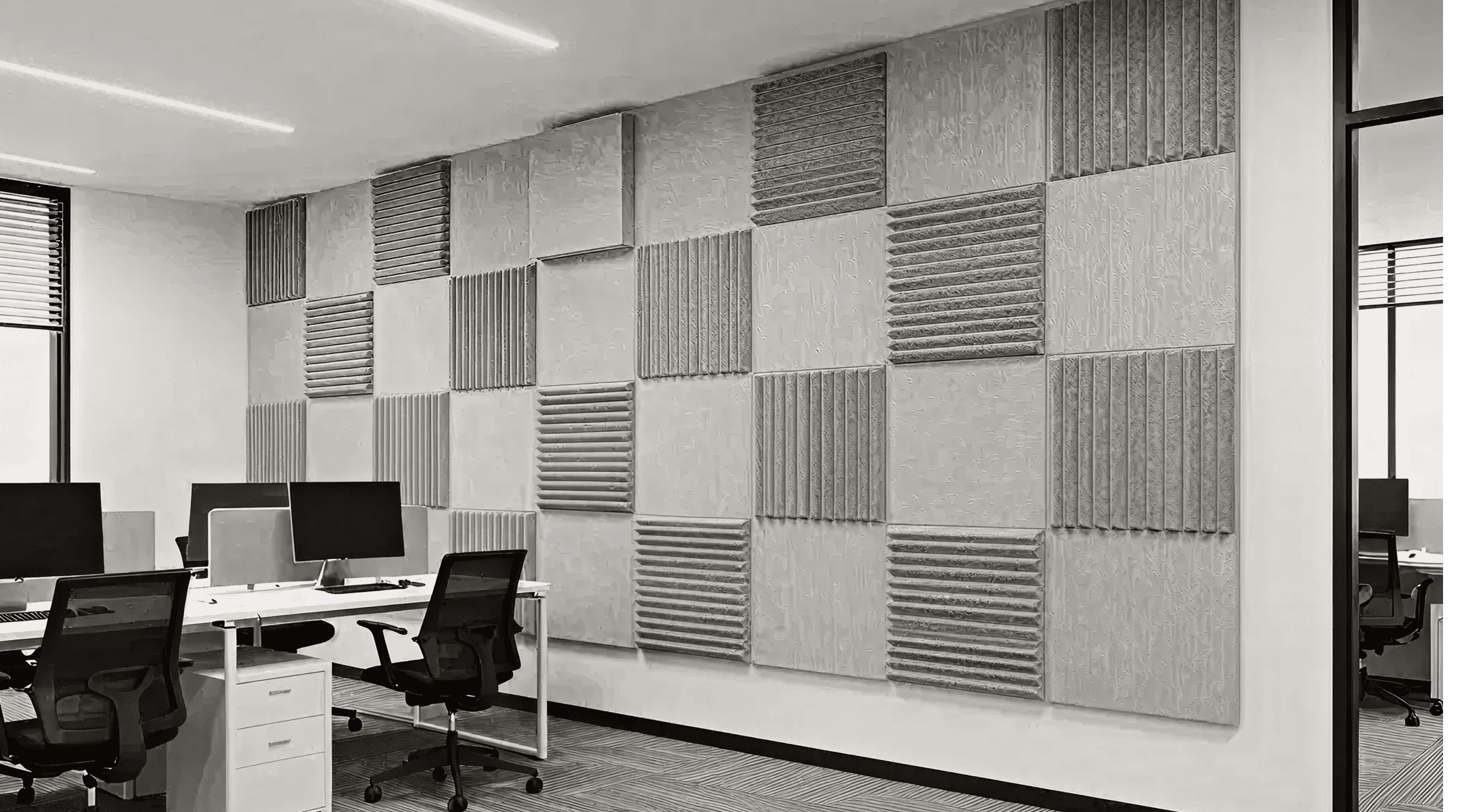
  • Designing integrated soundproofing and acoustic treatment solutions
  • Aligning acoustics with operational and brand objectives
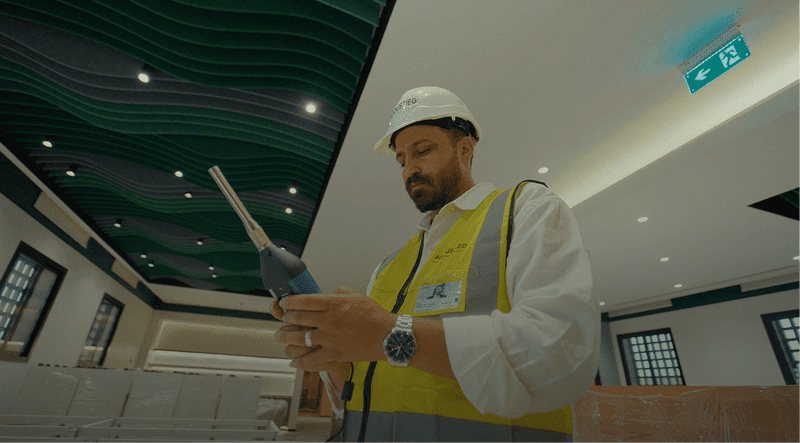
  • Verifying results through testing and measurement


ACOUSTIEG treats acoustics as a lever for performance, risk reduction, and business value—not just a technical requirement.

CONCLUSION

Poor acoustics in commercial spaces carry real business consequences—lower productivity, higher costs, communication failures, and damaged reputation. These impacts often remain hidden until they affect performance and profitability.

By addressing acoustics strategically and early, organizations can transform sound from a silent liability into a competitive advantage. With professional acoustic solutions from ACOUSTIEG, commercial spaces become more efficient, comfortable, and aligned with business goals.

NEXT

Articles

Industrial noise control solutions are essential for warehouses operating in demanding conditions. By reducing noise exposure these solutions directly enhance workplace safety.
This article explains what acoustic solutions are, why they are essential, and how ACOUSTIEG approaches acoustic design as a strategic component of successful facilities.
Mechanical and utility rooms are vital to building functionality, but without proper noise control, they can compromise the comfort and performance of the entire facility.

All rights reserved to ACOUSTIEG © 2025

LOG IN TO
YOUR ACCOUNT

LOG IN

TO YOUR ACCOUNT

Access your dashboard, manage your projects, and explore our full services

Don’t have an account? Sign up